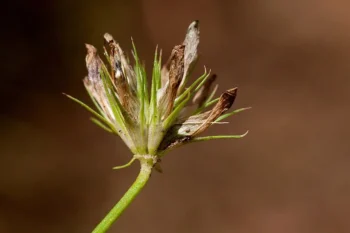
Woods Clover: A Hidden Gem for Southwestern Native Gardens
If you’re looking to add a touch of delicate beauty to your native plant garden while supporting local ecosystems, woods clover might just be the perfect addition you’ve been searching for. This charming little perennial brings both ecological value and understated elegance to the right garden setting.
What Is Woods Clover?
Woods clover (Trifolium pinetorum) is a native perennial forb that belongs to the legume family. Unlike its more aggressive lawn-dwelling cousins, this southwestern native is a well-behaved addition to gardens. As a forb, it’s an herbaceous plant without woody stems, sporting the classic three-leaflet clover leaves and producing small, rounded flower heads in soft whites and pale pinks.
You might also encounter this plant under its scientific synonyms, including Trifolium longicaule, though woods clover remains the most recognized common name.
Where Woods Clover Calls Home
This native beauty has a relatively limited natural range, growing wild in Arizona and New Mexico. It’s particularly fond of mountainous regions in the Southwest, where it has adapted to the unique growing conditions of higher elevations.
- Species observed
- No observations
Why Consider Woods Clover for Your Garden?
There are several compelling reasons to give woods clover a spot in your landscape:
- Native plant benefits: As a true native, it supports local wildlife and fits naturally into regional ecosystems
- Pollinator magnet: The small flowers attract bees, butterflies, and other beneficial insects
- Low maintenance: Once established, it requires minimal care
- Erosion control: Its ground-hugging growth habit helps stabilize soil
- Water-wise: Adapted to southwestern conditions, it’s naturally drought-tolerant
A Note About Rarity
Before you rush out to find woods clover, it’s important to know that this species has a Global Conservation Status of S3S4, indicating it’s somewhat uncommon in its native range. If you choose to grow woods clover, please source your plants or seeds from reputable native plant nurseries that propagate their stock responsibly rather than wild-collecting.
Perfect Garden Settings
Woods clover shines in specific garden types:
- Native plant gardens focusing on southwestern flora
- Xeriscapes and water-wise landscapes
- Mountain or high-elevation gardens (USDA zones 5-8)
- Naturalized meadow areas
- Rock gardens with good drainage
Growing Conditions and Care
Success with woods clover comes down to mimicking its natural mountain habitat:
- Soil: Well-draining soils are essential – avoid soggy conditions
- Light: Partial shade to full sun
- Water: Moderate moisture when establishing, drought-tolerant once mature
- Climate: Hardy in zones 5-8, perfect for cooler southwestern regions
Wetland Considerations
Interestingly, woods clover has a Facultative Wetland status across its range, meaning it usually grows in wetlands but can adapt to drier sites. This flexibility makes it valuable for gardens with varying moisture conditions or rain gardens that occasionally dry out.
Planting and Establishment Tips
While specific propagation information for woods clover can be limited, most clovers follow similar patterns:
- Start from seed when possible – scarification may improve germination
- Plant in fall for spring emergence
- Keep soil consistently moist during establishment
- Once established, reduce watering to encourage deep root development
- Allow plants to self-seed for natural spread
The Bottom Line
Woods clover offers gardeners in the Southwest a chance to grow a truly local native that supports wildlife while adding subtle beauty to the landscape. Its rarity makes responsible sourcing essential, but for those committed to native gardening, it’s a worthwhile addition that connects your garden to the natural heritage of the region.
Just remember: this isn’t a plant for every garden or every region. If you’re outside its natural range or looking for a showier groundcover, you might want to explore other native options better suited to your specific location and garden goals.