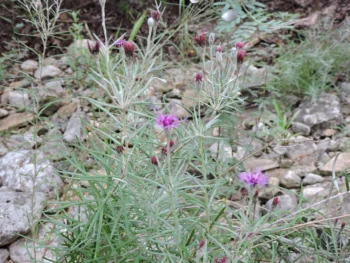
Woolly Ironweed: A Prairie Gem Worth Adding to Your Native Garden
If you’re looking for a native wildflower that brings late-season color and supports pollinators when many other plants are winding down, woolly ironweed (Vernonia lindheimeri) deserves a spot on your gardening radar. This charming perennial forb might not be the showiest plant in the garden, but it has plenty of personality and ecological value packed into its fuzzy, purple-flowered frame.
Meet the Woolly Ironweed
Woolly ironweed is a native perennial that calls the south-central United States home. As its common name suggests, this plant has a distinctly woolly or fuzzy texture to its foliage, which sets it apart from its ironweed cousins. Like other members of the Vernonia genus, it produces clusters of purple composite flowers that bloom in late summer and fall, providing crucial nectar when many other plants have finished their flowering season.
Where Does It Naturally Grow?
This native beauty has a relatively limited natural range, growing primarily in Arkansas and Texas. In Arkansas, woolly ironweed has a rarity status of SH, meaning it’s considered historically present but may be quite uncommon in the wild today.
- Species observed
- No observations
Why Consider Woolly Ironweed for Your Garden?
There are several compelling reasons to give this native plant a try:
- Pollinator magnet: The purple flowers are excellent attractants for butterflies, native bees, and other beneficial insects during the crucial late-season period
- Low maintenance: Once established, woolly ironweed is quite drought tolerant and requires minimal care
- Unique texture: The woolly foliage adds interesting textural contrast to garden beds
- Native heritage: Supporting native plants helps preserve regional biodiversity
- Late-season interest: Extends the blooming season when many other plants are going dormant
Perfect Garden Settings
Woolly ironweed shines in several garden styles:
- Prairie and meadow gardens
- Native plant landscapes
- Pollinator gardens
- Naturalized areas
- Wildlife habitat gardens
It pairs beautifully with other native prairie plants and works well in both formal native plant beds and more casual wildflower settings.
Growing Conditions and Care
Woolly ironweed is generally adaptable and relatively easy to grow:
- Sunlight: Thrives in full sun conditions
- Soil: Prefers well-drained soils but adapts to various soil types
- Water: Drought tolerant once established, though benefits from occasional watering during extended dry periods
- Hardiness zones: Suitable for USDA zones 6-9
Planting and Maintenance Tips
Getting woolly ironweed established in your garden is straightforward:
- Plant in spring or fall for best establishment
- Space plants appropriately to allow for mature spread
- Water regularly during the first growing season to encourage deep root development
- Cut back spent stems in late winter before new growth emerges
- Allow some seeds to mature if you want natural reseeding
- Minimal fertilization needed – native plants typically prefer lean soils
A Note About Responsible Sourcing
Given woolly ironweed’s rarity status in Arkansas, it’s important to source plants or seeds responsibly. Purchase from reputable native plant nurseries that propagate their own stock rather than wild-collecting. Never collect seeds or plants from wild populations, especially in areas where the species is uncommon.
The Bottom Line
Woolly ironweed may not be the flashiest plant in the native garden, but it’s definitely one of the most valuable for late-season pollinator support. Its unique woolly texture, purple blooms, and low-maintenance nature make it an excellent choice for gardeners looking to support native ecosystems while adding authentic regional character to their landscapes. Just remember to source it responsibly and give it the sunny, well-drained conditions it craves. Your local butterflies and bees will thank you for the late-season feast!