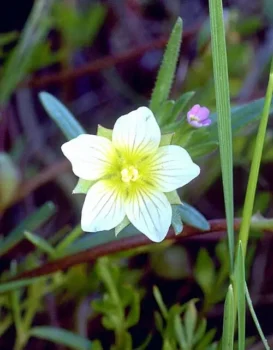
Woolly Meadowfoam: A Rare Oregon Native Worth Protecting
Meet woolly meadowfoam (Limnanthes pumila), one of Oregon’s most precious botanical treasures. This delicate annual wildflower might not be the showiest plant in the garden, but what it lacks in size, it makes up for in rarity and ecological importance. If you’re passionate about conservation and have the right growing conditions, this little beauty deserves a spot on your radar.
What Makes Woolly Meadowfoam Special?
Woolly meadowfoam is a small annual forb that produces charming white flowers with bright yellow centers. This low-growing herbaceous plant creates a carpet of blooms during its flowering season, offering a subtle but beautiful display. Don’t expect towering heights – this petite native keeps things modest and close to the ground.
What truly sets this plant apart isn’t just its appearance, but its story. Woolly meadowfoam is critically imperiled, with a Global Conservation Status of S1. This means there are typically five or fewer occurrences in the wild, making it one of Oregon’s rarest plants.
Where Does It Call Home?
Woolly meadowfoam is endemic to Oregon, meaning you won’t find it growing naturally anywhere else in the world. This makes it an incredibly special piece of the Pacific Northwest’s botanical heritage. Its limited distribution adds to both its charm and its vulnerability.
- Species observed
- No observations
The Wetland Connection
Here’s where things get specific: woolly meadowfoam is an obligate wetland species. This means it almost always occurs in wetland environments and has very particular moisture requirements. In both the Arid West and Western Mountains regions, this plant depends on consistently wet conditions to thrive.
Should You Grow Woolly Meadowfoam?
The Conservation Reality: Given its critically imperiled status, we strongly recommend only planting woolly meadowfoam if you can source it responsibly. This means:
- Never collecting from wild populations
- Only purchasing from reputable native plant nurseries with documented ethical sourcing
- Ensuring seeds or plants come from legitimate conservation programs
Growing Conditions and Care
If you’re fortunate enough to source woolly meadowfoam responsibly, here’s what you need to know about keeping it happy:
Habitat Requirements:
- Consistently moist to wet soils (remember, it’s a wetland obligate!)
- Full sun to partial shade
- USDA hardiness zones 8-9
- Specialized wetland garden conditions
Planting Tips:
- Best suited for wetland restoration projects or specialized bog gardens
- Direct seeding in fall typically works best
- Requires consistent moisture throughout the growing season
- May need protection from competing vegetation
Pollinator and Wildlife Benefits
Despite its small stature, woolly meadowfoam plays an important role in supporting Oregon’s native pollinators. The flowers attract small native bees and other beneficial insects, contributing to the complex web of relationships that make wetland ecosystems thrive.
The Bottom Line
Woolly meadowfoam represents both an opportunity and a responsibility. While its rarity makes it challenging to grow and source ethically, gardeners with appropriate wetland conditions and access to responsibly sourced plants can contribute to conservation efforts. This isn’t a plant for casual gardening – it’s for dedicated conservationists who understand the importance of protecting Oregon’s botanical heritage.
If wetland gardening isn’t feasible for you, consider supporting conservation organizations working to protect woolly meadowfoam’s remaining habitat. Sometimes the best way to help a rare plant is to ensure its wild homes remain intact for future generations.