Woolly Ragwort: A Fuzzy Native Gem for Your Garden
Meet woolly ragwort (Packera tomentosa), a charming native wildflower that’s like nature’s version of a silver-leafed houseplant – but one that actually thrives outdoors and feeds your local pollinators! This delightful perennial forb brings both texture and early spring color to gardens across the southeastern United States.
What Makes Woolly Ragwort Special?
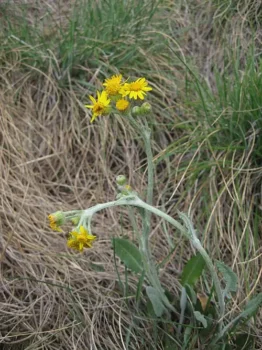
Woolly ragwort gets its common name from its distinctive fuzzy, silvery-white foliage that feels soft to the touch. The woolly texture isn’t just for show – it helps the plant conserve moisture and protects it from harsh weather. In spring, clusters of cheerful yellow daisy-like flowers emerge above the silvery leaves, creating a beautiful contrast that pollinators absolutely love.
This native beauty is also known by its botanical name Packera tomentosa, and you might occasionally see it listed under older names like Senecio tomentosus in some references.
Where Does Woolly Ragwort Call Home?
As a true native of the lower 48 states, woolly ragwort naturally occurs across the southeastern region. You’ll find it growing wild from Delaware down to Florida and stretching west through Alabama, Arkansas, Georgia, Louisiana, Maryland, Mississippi, Missouri, North Carolina, Oklahoma, South Carolina, Texas, and Virginia.
- Species observed
- No observations
A Word About Rarity
Here’s something important to know: woolly ragwort is considered rare in New Jersey, where it holds a Highlands Listed, S2 conservation status. This means the plant has limited distribution and small population sizes in that state. If you’re gardening in New Jersey or other areas where this plant might be uncommon, please source your woolly ragwort from reputable native plant nurseries that grow their stock from seed rather than wild-collecting.
Perfect Garden Companions and Uses
Woolly ragwort shines in several garden settings:
- Native plant gardens where its silvery foliage provides year-round interest
- Woodland edges and naturalized areas
- Drought-tolerant landscapes once established
- Pollinator gardens for early spring nectar
- Ground cover in areas with good drainage
The plant typically grows as a low-growing forb, meaning it’s a non-woody perennial that dies back to ground level in winter and regrows from its roots each spring.
Growing Woolly Ragwort Successfully
One of the best things about woolly ragwort is how easygoing it is once you understand its preferences. This plant usually grows in non-wetland conditions but can occasionally tolerate some moisture – what botanists call facultative upland status.
Light Requirements: Partial shade to full sun work well, though it often performs best with some afternoon shade in hotter climates.
Soil Needs: Well-draining soil is essential. This plant doesn’t like wet feet and will thrive in average garden soils.
Hardiness: Hardy in USDA zones 6-9, making it suitable for most southeastern gardens.
Water: Drought tolerant once established, but appreciates occasional watering during extended dry spells.
Planting and Care Tips
Woolly ragwort is refreshingly low-maintenance:
- Plant in spring or fall when temperatures are moderate
- Space plants about 12-18 inches apart to allow for natural spreading
- Water regularly the first season to help establish roots
- After flowering, you can cut plants back if you prefer a tidier look, or leave them to self-seed
- Little to no fertilizer needed – native plants prefer lean soils
Wildlife and Pollinator Benefits
The early spring flowers of woolly ragwort are like a welcome mat for pollinators emerging from winter dormancy. Bees, butterflies, and other beneficial insects rely on these early nectar sources when few other plants are blooming. By including woolly ragwort in your garden, you’re providing crucial support for local pollinator populations during a critical time of year.
Is Woolly Ragwort Right for Your Garden?
If you’re looking for a low-maintenance native plant with unique silvery foliage, early spring flowers, and wildlife benefits, woolly ragwort could be perfect for your garden. It’s especially valuable if you’re creating habitat for native pollinators or want to add texture to a native plant collection.
Just remember to source plants responsibly, especially if you’re in areas where the species might be less common. Your local native plant society or extension office can often point you toward reputable sources of locally-adapted plants.
With its fuzzy charm and ecological benefits, woolly ragwort proves that sometimes the most unassuming plants make the biggest difference in our gardens and for our local wildlife.