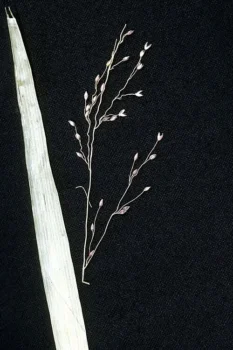
Woolly Rosette Grass: A Hidden Gem for Wetland Gardens
If you’re looking to create a thriving wetland garden or restore a soggy corner of your property, woolly rosette grass (Dichanthelium scabriusculum) might just be the unsung hero you’ve been searching for. This native perennial grass may not win any beauty contests, but it’s a champion when it comes to thriving in consistently wet conditions where many other plants would simply give up.
What Makes Woolly Rosette Grass Special?
Woolly rosette grass is a true American native, naturally occurring across 20 states from Massachusetts down to Florida and west to Texas and Arkansas. This fine-textured perennial grass has earned its place in wetland ecosystems throughout the eastern and southeastern United States, where it quietly goes about the important work of stabilizing soil and providing habitat structure.
The plant forms attractive bunches that reach about 2.5 feet tall, with green foliage that maintains a delicate, fine texture throughout the growing season. While its small green flowers won’t stop traffic, they appear during summer months and give way to yellow seeds that ripen from summer into fall.
- Species observed
- No observations
A Word of Caution: Rarity Matters
Before you rush out to plant woolly rosette grass, there’s something important to consider. This species has rare status in several states:
- Arkansas: S1S2 status (very rare to rare)
- New Jersey: S1 status (critically imperiled) in some areas, S3 (vulnerable) in others
If you’re interested in growing this grass, please only source it from reputable native plant nurseries that propagate their own stock rather than collecting from wild populations. Better yet, consider whether this plant is truly the right choice for your garden, or if other wetland grasses might serve your needs just as well.
Growing Conditions: It’s All About the Water
Woolly rosette grass is what botanists call an obligate wetland plant, which means it almost always occurs in wetlands across all regions where it grows. Here’s what this wet-loving grass needs to thrive:
- Moisture: Consistent wetness is non-negotiable – this isn’t a plant for dry gardens
- Soil: Adaptable to coarse, medium, or fine-textured soils as long as they stay moist
- pH: Prefers acidic to neutral conditions (pH 4.0-7.0)
- Sun exposure: Tolerates partial shade but grows best with good light
- Hardiness: Suitable for USDA zones 6-10
- Drainage: Poor drainage is actually preferred – think bog conditions
Where Does Woolly Rosette Grass Shine?
This specialized grass is perfect for:
- Rain gardens and bioswales
- Pond margins and stream banks
- Wetland restoration projects
- Low-lying areas that stay consistently moist
- Native plant gardens focused on wetland species
Don’t expect this grass to work in traditional perennial borders or dry prairie plantings – it simply won’t survive without consistent moisture.
Planting and Care Tips
If you’ve decided woolly rosette grass is right for your wetland project, here’s how to help it succeed:
- Timing: Plant in spring or early summer when active growth begins
- Spacing: Allow room for the bunch-forming growth habit
- Watering: Keep soil consistently saturated – this plant can’t handle drought
- Fertilizing: Low fertility requirements mean you can skip the fertilizer
- Maintenance: Minimal care needed once established in suitable conditions
- Propagation: Grows readily from seed, though commercial availability is limited
Wildlife and Ecological Benefits
While woolly rosette grass may not be a showy pollinator magnet (it’s wind-pollinated like most grasses), it plays important ecological roles in wetland systems. The dense, bunch-forming growth provides structure and stability in wet soils, helping prevent erosion along waterways and pond margins.
The Bottom Line
Woolly rosette grass is a specialized plant for specialized conditions. If you have a consistently wet area that needs stabilizing and you’re committed to using responsibly sourced plants, this native grass could be a valuable addition to your wetland garden. However, given its rarity in several states, most gardeners would be better served by choosing more common wetland grasses that can provide similar ecological benefits without conservation concerns.
Remember, the best native garden is one that matches the right plants to the right conditions while respecting the conservation status of rare species. Sometimes the most responsible choice is to admire a plant’s ecological importance while letting it thrive in its remaining wild habitats.