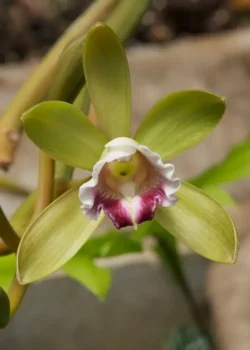
Wormvine Orchid: A Hidden Gem for Specialized Native Plant Enthusiasts
If you’re looking for a truly unique addition to your native plant collection, the wormvine orchid (Vanilla barbellata) might just be the conversation starter your garden needs. This lesser-known native orchid brings a touch of tropical mystery to specialized gardens, though it’s definitely not your typical weekend gardening project!
Meet the Wormvine Orchid
The wormvine orchid is a perennial climbing orchid that’s as intriguing as its name suggests. Also known by its synonym Vanilla articulata, this native beauty belongs to the same genus as the vanilla bean plant, though don’t expect any culinary adventures from this particular species. As a forb herb, it lacks the woody tissue you’d find in shrubs or trees, instead sporting succulent, jointed stems that give it its distinctive worm-like appearance.
Where You’ll Find This Native Treasure
This orchid is a true native of the southeastern United States and Caribbean territories. You can find wild populations growing naturally in Florida, Puerto Rico, and the U.S. Virgin Islands. It’s perfectly adapted to these warm, humid environments and represents an important part of our native biodiversity.
- Species observed
- No observations
Why Consider Growing Wormvine Orchid?
Here’s the honest truth: this isn’t a plant for beginners or those looking for showy garden displays. However, there are some compelling reasons why specialized gardeners might want to give it a try:
- Native plant status: Supporting native species helps maintain local ecosystems and biodiversity
- Unique conversation piece: Few gardeners grow native orchids, making this a true standout
- Low visual impact: The small, inconspicuous greenish flowers won’t overwhelm other garden elements
- Climbing habit: Adds vertical interest as an epiphytic climber
The Growing Challenge
Let’s be upfront – wormvine orchid isn’t going to thrive in your typical flower bed. As an epiphytic orchid, it naturally grows on other plants (usually trees) rather than in soil. This means you’ll need to recreate those specialized conditions:
Climate Requirements
This orchid is only suitable for USDA hardiness zones 9-11, thriving in tropical and subtropical conditions. If you live outside these zones, you’ll need a heated greenhouse or indoor growing setup.
Growing Conditions
- Light: Bright, filtered light – never direct sun
- Humidity: High humidity levels (60-80%)
- Air circulation: Good airflow to prevent fungal issues
- Growing medium: Orchid bark mix or mounted on tree branches
- Moisture: Consistently moist but never waterlogged
Planting and Care Tips
Successfully growing wormvine orchid requires adopting orchid-specific techniques:
- Mounting: Consider mounting on cork bark or tree branches for the most natural growing conditions
- Watering: Use rainwater or distilled water when possible, as orchids can be sensitive to chemicals in tap water
- Fertilizing: Use diluted orchid fertilizer sparingly during growing season
- Winter care: Reduce watering during cooler months while maintaining humidity
Garden Design Considerations
The wormvine orchid works best in very specific garden settings:
- Tropical native gardens: Perfect for authentic Florida or Caribbean native plant collections
- Orchid specialty gardens: Ideal for dedicated orchid enthusiasts
- Shade gardens: Can add interest to heavily shaded areas when properly mounted
- Educational gardens: Great for teaching about native epiphytes
Habitat Preferences
In the wild, wormvine orchid typically grows in areas classified as facultative upland, meaning it usually prefers non-wetland conditions but can occasionally tolerate wetter soils. This adaptability can be helpful when planning your growing setup.
Is Wormvine Orchid Right for You?
This native orchid is perfect if you’re:
- An experienced orchid grower looking for native species
- Creating a specialized native plant collection
- Living in zones 9-11 with high humidity
- Interested in supporting rare native plants
However, you might want to consider other options if you’re:
- New to orchid growing
- Looking for low-maintenance plants
- Wanting showy, colorful flowers
- Living outside tropical/subtropical zones
Supporting Native Plant Diversity
While wormvine orchid may not be the easiest native plant to grow, it represents an important part of our natural heritage. For dedicated native plant enthusiasts willing to meet its specialized needs, this unique orchid offers the satisfaction of successfully cultivating a truly uncommon native species. Just remember – this is definitely a plant that rewards patience, research, and specialized care!