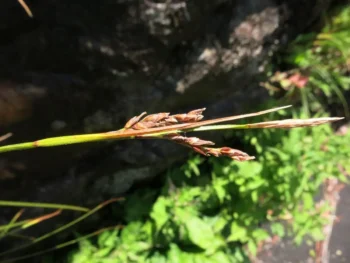
Wretched Sedge: A Rare Native Worth Protecting in Your Garden
Don’t let the unfortunate common name fool you – wretched sedge (Carex misera) might not win any beauty contests, but this humble native plant plays an important role in southeastern ecosystems and deserves our attention and protection.
What Makes Wretched Sedge Special
Wretched sedge is a perennial graminoid, which means it’s a grass-like plant that belongs to the sedge family. While it may not have the showy flowers of your typical garden perennials, this unassuming plant has quietly been doing its job in native habitats across the Southeast for countless years.
Where You’ll Find It Naturally
This native sedge calls the southeastern United States home, specifically growing wild in Georgia, North Carolina, and Tennessee. Its limited range makes it a true regional specialty – think of it as the botanical equivalent of a local delicacy that you can’t find just anywhere.
- Species observed
- No observations
A Plant Worth Protecting
Important Conservation Note: Wretched sedge has a Global Conservation Status of S3, meaning it’s considered vulnerable. This classification indicates the species is at risk due to its rarity and limited distribution. If you’re interested in growing this plant, please only obtain it from reputable native plant nurseries that use responsibly sourced, ethically propagated material – never collect from wild populations.
Why Grow Wretched Sedge?
You might wonder why anyone would want to grow a plant with such a discouraging name. Here are some compelling reasons:
- Conservation impact: Growing rare native plants in your garden helps preserve genetic diversity and supports conservation efforts
- Ecological authenticity: It’s part of the natural heritage of the southeastern United States
- Specialized habitat creation: Perfect for native plant enthusiasts creating authentic regional ecosystems
- Educational value: A great conversation starter about plant conservation
Growing Conditions and Care
Since detailed growing information for wretched sedge is limited due to its rarity, here’s what we can reasonably expect based on its native habitat and related sedges:
- USDA Hardiness Zones: Likely zones 6-8, matching its native southeastern range
- Soil: Probably prefers moist to wet soils, as many sedges do
- Light: Likely grows best in partial shade to full shade
- Maintenance: As a native perennial, it should be relatively low-maintenance once established
Garden Design Ideas
Wretched sedge isn’t your typical ornamental showstopper, but it has its place in thoughtful garden design:
- Native plant gardens focused on regional species
- Restoration projects aimed at preserving local ecosystems
- Educational gardens that showcase rare and unusual plants
- Specialized collections for serious native plant enthusiasts
The Bottom Line
Wretched sedge may not be the most glamorous addition to your garden, but for the right gardener – one who values conservation, rarity, and authentic regional flora – it could be a meaningful and important plant to grow. Just remember to source it responsibly and consider yourself a steward of this vulnerable species.
If you’re interested in easier-to-find southeastern native sedges, consider exploring other Carex species that are more common and readily available from native plant nurseries. Every native plant you grow, whether rare or common, contributes to supporting local ecosystems and wildlife.