Wright’s Dogweed: A Rare Southwestern Native Worth Protecting
Meet Wright’s dogweed (Adenophyllum wrightii), a petite annual wildflower that’s as rare as it is charming. This little-known native plant deserves a spotlight not just for its delicate beauty, but because it’s fighting for survival in the wild. If you’re passionate about native plants and conservation, this might be one species you’ll want to learn about – and possibly help protect.
What Is Wright’s Dogweed?
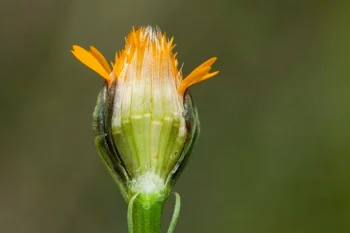
Wright’s dogweed is a small annual forb – essentially a non-woody flowering plant that completes its entire life cycle in one growing season. Don’t let the common name fool you; this isn’t related to dogwood trees at all! Instead, it’s a member of the sunflower family, sporting tiny yellow composite flowers that pack a surprising amount of charm into a compact package.
You might also see this plant listed under its synonyms Dyssodia neomexicana or Hymenatherum neomexicanum in older botanical references, but Adenophyllum wrightii is the accepted name today.
Where Does It Call Home?
This southwestern native has a pretty exclusive address – you’ll only find Wright’s dogweed naturally occurring in Arizona and New Mexico. Its limited range is part of what makes this plant so special, and unfortunately, so vulnerable.
- Species observed
- No observations
A Plant on the Edge: Understanding Its Rarity
Here’s where things get serious. Wright’s dogweed carries a Global Conservation Status of S1?, meaning it’s critically imperiled. In plain English? This plant is extremely rare, with typically fewer than five known populations and possibly fewer than 1,000 individual plants remaining in the wild. That question mark after S1 indicates that even scientists aren’t entirely certain about its exact status – which honestly makes it even more concerning.
If you’re considering adding this plant to your garden, please – and we cannot stress this enough – only use responsibly sourced material. This means seeds or plants that have been ethically collected with proper permits, or better yet, propagated from legally obtained stock. Never collect from wild populations.
What Does It Look Like?
Wright’s dogweed is a modest beauty. As an annual forb, it stays relatively small and doesn’t develop woody stems. The plant produces aromatic foliage and clusters of small, bright yellow flowers typical of the sunflower family. While we don’t have specific height and width measurements, most plants in this genus tend to stay under two feet tall, making them perfect for intimate garden settings.
Why Grow Wright’s Dogweed?
Beyond the conservation angle, there are several reasons gardeners might fall for this rare native:
- Authentic southwestern character: Nothing says true desert native like a plant that’s evolved specifically for Arizona and New Mexico conditions
- Pollinator support: Those cheerful yellow flowers attract native bees, small butterflies, and other pollinators
- Low maintenance: Once established, this drought-tolerant native requires minimal care
- Conservation impact: Growing rare natives helps preserve genetic diversity and can support conservation efforts
Growing Conditions and Care
Wright’s dogweed evolved in the challenging conditions of the American Southwest, so it’s naturally adapted to:
- Full sun: This plant loves bright, direct sunlight
- Well-draining soil: Sandy or rocky soils that don’t hold water are ideal
- Minimal water: Once established, it thrives on very little irrigation
- Poor soils: Rich, fertile garden soil might actually be too much of a good thing
For USDA hardiness zones, Wright’s dogweed should do well in zones 7-10, reflecting its native range in the warmer parts of the Southwest.
Planting and Care Tips
Since this is an annual, you’ll need to start fresh each year:
- Direct seeding: Sow seeds in fall or early spring when temperatures are moderate
- Soil preparation: Ensure excellent drainage – consider raised beds or slopes if your soil holds water
- Watering: Provide light irrigation until established, then back off significantly
- Fertilizing: Skip it entirely – this plant prefers lean conditions
Perfect Garden Settings
Wright’s dogweed shines in:
- Native plant gardens focused on southwestern species
- Xerophytic (drought-tolerant) plantings
- Wildflower meadows with other desert annuals
- Rock gardens with excellent drainage
- Conservation collections
The Bottom Line
Wright’s dogweed represents something precious – a truly rare native plant that connects us to the unique ecosystems of the American Southwest. While its critically imperiled status means we need to approach it with extra care and respect, responsibly growing this species can be a meaningful way to participate in conservation efforts.
If you do decide to grow Wright’s dogweed, you’re not just adding another plant to your garden – you’re becoming a guardian of a species that desperately needs our help. Just remember: always source responsibly, never collect from the wild, and consider yourself part of a conservation team working to keep this little yellow beauty around for future generations.
After all, in a world where we’re losing plant species at an alarming rate, every gardener who chooses to grow and protect rare natives like Wright’s dogweed becomes a hero in their own backyard.