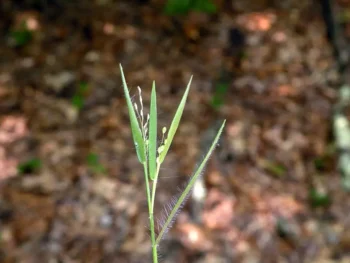
Wright’s Rosette Grass: A Delicate Native Treasure for Your Garden
If you’re looking to add a touch of understated elegance to your native plant garden, Wright’s rosette grass (Dichanthelium wrightianum) might just be the perfect choice. This charming little perennial grass brings a delicate texture and authentic wild character to landscapes across the southeastern and mid-Atlantic United States.
What Makes Wright’s Rosette Grass Special
Wright’s rosette grass is a true native American, naturally occurring across fifteen states from Texas to Massachusetts. This fine-textured perennial grass forms attractive low rosettes, earning its common name through its distinctive growth pattern. As a member of the grass family, it adds gentle movement and soft texture to any planting scheme.
Where You’ll Find It Growing Wild
This native beauty calls home to a impressive range across the United States, including Alabama, Delaware, Florida, Georgia, Louisiana, Maryland, Massachusetts, Mississippi, New Jersey, New York, North Carolina, Rhode Island, South Carolina, Texas, and Virginia. It thrives particularly well in the Atlantic and Gulf Coastal Plain regions.
- Species observed
- No observations
A Important Conservation Note
Before you fall head-over-heels for this grass, there’s something important to know: Wright’s rosette grass is considered rare in New Jersey, where it holds an S2 rarity status and is Highlands Listed. This means that while it’s absolutely worth growing, you should only source it from reputable native plant nurseries that propagate their stock responsibly rather than wild-collecting.
Why Your Garden (and Wildlife) Will Love It
Wright’s rosette grass brings several benefits to your landscape:
- Authentic native character that supports local ecosystems
- Low-maintenance perennial that returns year after year
- Provides habitat structure for beneficial insects
- Excellent for naturalistic and wildlife-friendly gardens
- Adapts well to both wetland and non-wetland conditions
Perfect Growing Conditions
This adaptable grass thrives in USDA hardiness zones 6 through 9. Wright’s rosette grass is classified as a facultative wetland plant in coastal regions, meaning it’s equally happy in moist garden beds or wetter areas like rain gardens and pond edges. It prefers:
- Moist to consistently wet soils
- Partial shade to full sun exposure
- Acidic soil conditions
- Areas with good drainage despite moisture preferences
Growing Tips for Success
Once established, Wright’s rosette grass is wonderfully low-maintenance. Here are some tips to help it thrive:
- Plant in spring or early fall for best establishment
- Keep soil consistently moist, especially during the first growing season
- Mulch lightly to retain moisture and suppress weeds
- Allow natural reseeding in naturalized areas
- Cut back in late winter before new growth emerges
Design Ideas for Your Landscape
Wright’s rosette grass shines in several garden settings:
- Rain gardens: Its moisture tolerance makes it perfect for managing stormwater runoff
- Native plant gardens: Combines beautifully with other southeastern natives
- Naturalistic landscapes: Adds authentic wild character to meadow-style plantings
- Pond margins: Creates soft transitions between water features and upland areas
The Bottom Line
Wright’s rosette grass offers native plant enthusiasts a chance to grow something truly special – a delicate, authentic grass that supports local wildlife while adding subtle beauty to the garden. Just remember to source it responsibly, especially if you’re gardening in areas where it’s rare. Your local native plant society can often point you toward reputable suppliers who propagate rather than wild-collect their plants.
With minimal care requirements and maximum ecological benefits, this charming grass proves that sometimes the most understated plants make the biggest impact in creating truly sustainable, beautiful landscapes.