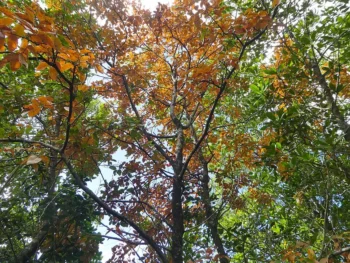
Xylocarpus moluccensis: The Square-Fruited Mangrove Worth Considering
Ever heard of a tree that produces square fruits? Meet Xylocarpus moluccensis, a fascinating mangrove species that’s as unique as it is challenging to grow. While this tree doesn’t have a widely recognized common name, its distinctive characteristics make it a conversation starter for any tropical wetland enthusiast.
Where Does This Unusual Tree Call Home?
Xylocarpus moluccensis is native to the Pacific Basin, though interestingly, it’s not found in Hawaii despite being classified there for wetland purposes. You’ll find this species thriving naturally in Guam and Palau, where it plays an important role in coastal mangrove ecosystems.
- Species observed
- No observations
What Makes This Plant Special?
This mangrove tree is truly a showstopper when it comes to aesthetic appeal. The most striking feature? Those incredible square to polygonal fruits that look like nature’s own wooden boxes. Paired with glossy, compound leaves and the potential to grow into an impressive specimen tree, Xylocarpus moluccensis offers unique visual interest that you simply won’t find in typical garden plants.
Should You Plant It in Your Garden?
Here’s where things get interesting – and a bit complicated. This tree is an obligate wetland species, meaning it almost always occurs in wetlands and requires permanently wet to flooded conditions. Before you get excited about adding this unique specimen to your landscape, consider these important factors:
- You’ll need a consistently flooded or extremely wet area
- It only thrives in USDA hardiness zones 10-12 (tropical climates only)
- This tree can grow quite large, requiring significant space
- Salt tolerance makes it perfect for coastal areas, but limits inland applications
Perfect Garden Settings
If you’re lucky enough to have the right conditions, Xylocarpus moluccensis works wonderfully in:
- Coastal restoration projects
- Large tropical wetland gardens
- Mangrove conservation areas
- Waterfront properties with permanent water features
Growing Conditions and Care
Success with this species requires mimicking its natural mangrove habitat:
- Water requirements: Permanent moisture to flooding – this isn’t negotiable!
- Temperature: Consistently warm, tropical conditions
- Soil: Tolerates salt and thrives in waterlogged conditions
- Humidity: High humidity levels essential
- Space: Allow plenty of room for growth
Wildlife and Pollinator Benefits
While specific wildlife benefits for this species aren’t well-documented, mangrove trees typically support diverse ecosystems. The small flowers likely attract various insects, and the unique habitat it creates can support birds and other coastal wildlife.
The Bottom Line
Xylocarpus moluccensis is definitely not your average garden plant. It’s a specialized species that requires very specific conditions – think permanent flooding, tropical temperatures, and lots of space. If you have a coastal property in zones 10-12 with wetland areas, this could be an incredible addition that supports local ecosystems while providing unique aesthetic appeal.
However, if you’re looking for something easier to grow or don’t have the right wetland conditions, you might want to consider other native coastal plants that are better suited to typical garden settings. Remember, the most successful gardens work with nature, not against it!