Yampa Beardtongue: A Rare Rocky Mountain Gem for Your Native Garden
If you’re looking to add a touch of Rocky Mountain magic to your garden, the Yampa beardtongue might just be the perfect choice. This charming native wildflower brings beautiful purple-blue blooms and incredible drought tolerance to your landscape—but there’s something very important you need to know before you plant it.
What Makes Yampa Beardtongue Special?
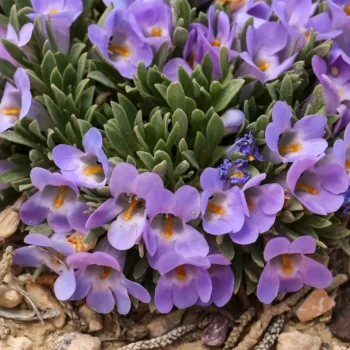
Yampa beardtongue (Penstemon yampaensis) is a delightful perennial forb that’s as tough as it is beautiful. Like other members of the penstemon family, it produces clusters of tubular flowers that seem tailor-made for attracting pollinators. The purple-blue blooms appear in late spring to early summer, creating a stunning display that hummingbirds, bees, and butterflies simply can’t resist.
As a perennial, this plant returns year after year, slowly establishing itself as a reliable member of your garden community. It’s what botanists call a forb—essentially a non-woody flowering plant that dies back to the ground each winter but springs back to life when warm weather returns.
Where Does It Come From?
This beautiful beardtongue is native to a very specific region of the American West, calling Colorado and Utah home. It’s particularly associated with the Yampa River region of northwestern Colorado, which is where it gets its common name. Being native to the lower 48 states makes it an excellent choice for gardeners who want to support local ecosystems and wildlife.
- Species observed
- No observations
A Plant That Needs Our Help
Here’s the important part: Yampa beardtongue has a Global Conservation Status of S2, which means it’s considered Imperiled. This classification indicates that the species faces extreme rarity or other factors that make it especially vulnerable to disappearing from the wild. Typically, there are only 6 to 20 known occurrences of this plant, with perhaps 1,000 to 3,000 individual plants remaining in nature.
What does this mean for you as a gardener? While we absolutely encourage growing this wonderful native plant, it’s crucial that you source it responsibly. Never collect seeds or plants from wild populations—this could harm the few remaining natural stands. Instead, look for nurseries that propagate Yampa beardtongue from ethically sourced stock or participate in conservation seed programs.
Perfect Spots for Yampa Beardtongue
This hardy little plant thrives in rock gardens, native plant collections, and xeriscaped landscapes. It’s particularly well-suited for:
- Alpine and rock gardens where its natural mountain heritage shines
- Native plant gardens focused on Rocky Mountain species
- Drought-tolerant landscapes and xeriscaping projects
- Pollinator gardens where you want to attract specialized native bees
In your landscape design, Yampa beardtongue works beautifully as a mid-border plant or tucked between rocks where it can show off its natural growing style.
Growing Yampa Beardtongue Successfully
The good news? Once established, Yampa beardtongue is remarkably low-maintenance. This plant evolved in the challenging conditions of the Rocky Mountain region, so it knows how to handle tough situations.
Growing Conditions:
- Sunlight: Full sun to partial shade
- Soil: Well-draining soil is absolutely essential—this plant hates wet feet
- Water: Drought-tolerant once established; minimal supplemental watering needed
- USDA Hardiness Zones: 4-7
Planting and Care Tips
The secret to success with Yampa beardtongue is excellent drainage. If your soil tends to stay wet, consider planting in raised beds or adding plenty of coarse sand and gravel to improve drainage. This plant would rather be a little too dry than a little too wet.
Once established, you’ll find this beardtongue to be quite self-sufficient. In harsh winter climates, a light mulch or some protection might help it through particularly brutal cold snaps, but generally, it’s adapted to handle whatever Mother Nature throws at it.
Supporting Wildlife
By growing Yampa beardtongue, you’re providing valuable nectar sources for native pollinators. The tubular flowers are especially attractive to hummingbirds, while various bee species appreciate the abundant pollen. Butterflies also visit these cheerful blooms, making your garden a more vibrant ecosystem.
The Bottom Line
Yampa beardtongue is a wonderful addition to any native plant garden, offering beautiful flowers, low maintenance requirements, and important wildlife benefits. However, its rarity means we all have a responsibility to grow it thoughtfully. By choosing responsibly sourced plants and helping this species thrive in cultivation, you’re not just beautifying your garden—you’re participating in conservation efforts to ensure future generations can enjoy this Rocky Mountain treasure.
Remember: when it comes to rare native plants like Yampa beardtongue, every garden that grows them responsibly becomes a small sanctuary, helping to preserve these botanical gems for the future.