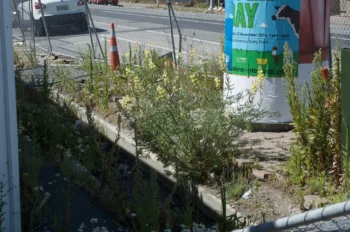
Yellow Bush Lupine: A Coastal Beauty for Drought-Tolerant Gardens
If you’ve ever driven along the California coast and spotted vibrant yellow flower spikes dotting the seaside bluffs, chances are you’ve encountered yellow bush lupine (Lupinus arboreus). This showy perennial shrub has made quite a name for itself in coastal gardening circles, and for good reason—it’s gorgeous, tough as nails, and practically thrives on neglect.
What Is Yellow Bush Lupine?
Yellow bush lupine is a multi-stemmed woody shrub that typically reaches about 6 feet in both height and width at maturity. True to its name, this plant produces stunning clusters of bright yellow, pea-like flowers that bloom from mid-spring through early summer. The silvery-green, palmate leaves (think hand-shaped) provide an attractive backdrop year-round, giving the plant a moderate foliage porosity that creates nice texture in the landscape.
As a member of the legume family, yellow bush lupine has a neat trick up its sleeve—it fixes nitrogen in the soil, essentially fertilizing itself and neighboring plants. Talk about being a good neighbor!
Where Does It Come From?
Originally native to the coastal areas of California and Oregon, yellow bush lupine has naturalized in Washington and even made its way up to British Columbia. You’ll find it growing wild along coastal bluffs, dunes, and scrublands where it helps stabilize soil with its deep root system.
- Species observed
- No observations
Why Gardeners Love (and Sometimes Question) Yellow Bush Lupine
Let’s be honest—yellow bush lupine is a bit of a controversial character in the gardening world. Here’s why it might work for your garden:
- Drought champion: Once established, this plant laughs in the face of dry conditions
- Low maintenance: Requires minimal fertilization and care
- Pollinator magnet: Bees, butterflies, and hummingbirds can’t resist those bright blooms
- Erosion control: Excellent for stabilizing slopes and sandy soils
- Fast results: Moderate growth rate means you won’t wait forever for impact
However, since it’s not native to all areas where it’s commonly grown, some gardeners prefer to choose regional alternatives. If you’re looking for native options, consider species like California native lupines (Lupinus species) that are indigenous to your specific area.
Perfect Garden Situations
Yellow bush lupine absolutely shines in:
- Coastal gardens where salt spray is a concern
- Xeriscapes and drought-tolerant landscapes
- Slopes needing erosion control
- Mediterranean-style gardens
- Areas with poor, sandy soils that challenge other plants
Growing Conditions That Make It Happy
This plant is surprisingly picky about some things and completely unbothered by others:
- Soil: Loves coarse, sandy soils but adapts to medium-textured soils. Avoid heavy clay—it’s a no-go
- Sun: Full sun only—shade tolerance is basically nonexistent
- Water: Low water needs once established (16-30 inches annual precipitation)
- pH: Prefers slightly acidic to neutral soil (6.0-7.5)
- Climate: Thrives in USDA zones 8-10, needs at least 240 frost-free days
Planting and Care Tips
Getting yellow bush lupine started is refreshingly straightforward:
- Timing: Plant in fall or early spring for best establishment
- Spacing: Give each plant about 4-6 feet of space—they like room to spread
- Soil prep: Ensure excellent drainage; amend heavy soils with sand or gravel
- Watering: Water regularly the first year, then back off significantly
- Pruning: Light pruning after blooming helps maintain shape and encourages reblooming
- Fertilizing: Skip it—this plant actually prefers poor soils
Propagation Possibilities
If you want to grow your own from seed (about 9,000 seeds per pound—wow!), collect seeds in summer and plant them in fall. Seeds have low initial vigor, so be patient. You can also find container plants, though commercial availability can be limited.
The Bottom Line
Yellow bush lupine offers spectacular blooms, incredible drought tolerance, and wildlife benefits that make it tempting for many gardeners. If you’re gardening in coastal areas or dealing with challenging sandy soils, it might be exactly what you need. Just remember to consider native alternatives first, especially if you’re creating habitat for local wildlife. When grown responsibly and with awareness of local ecosystems, this tough beauty can add serious wow factor to the right garden setting.
Whether you choose yellow bush lupine or its native cousins, you’ll be supporting pollinators and creating a landscape that works with nature rather than against it—and isn’t that what great gardening is all about?