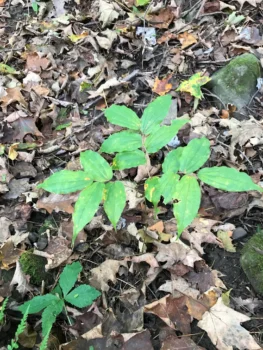
Yellow Fairybells: A Delicate Native Gem for Your Shade Garden
If you’re searching for a charming native wildflower to brighten up those shadowy corners of your garden, let me introduce you to yellow fairybells (Prosartes lanuginosa). This enchanting little perennial might not be the showiest plant in the forest, but it has a quiet elegance that makes it absolutely perfect for woodland gardens and naturalized landscapes.
What Are Yellow Fairybells?
Yellow fairybells are native North American wildflowers that belong to the lily family. You might also see them listed under their botanical synonyms Disporum lanuginosum or Streptopus lanuginosus in older gardening references. As herbaceous perennials, they die back to the ground each winter and return fresh each spring with renewed vigor.
These delicate beauties get their common name from their drooping, bell-shaped yellow flowers that seem to dance from the stems like tiny fairy lanterns. The heart-shaped leaves add another layer of visual interest, creating an attractive backdrop for the subtle blooms.
Where Yellow Fairybells Call Home
Yellow fairybells are native to eastern North America, naturally occurring across a broad range that includes Alabama, Arkansas, Georgia, Kentucky, Maryland, New York, North Carolina, Ohio, Pennsylvania, South Carolina, Tennessee, Virginia, West Virginia, and parts of Ontario, Canada. They’re right at home in the understory of deciduous forests, where they’ve adapted to thrive in dappled light and rich, organic soil.
- Species observed
- No observations
A Word About Rarity
Here’s something important to keep in mind: yellow fairybells are considered rare in Arkansas, where they hold an S2 conservation status. This means they’re uncommon throughout their range in that state. If you’re planning to add these beauties to your garden, please make sure you source them responsibly from reputable native plant nurseries rather than collecting from wild populations.
Why Your Garden Will Love Yellow Fairybells
There are several compelling reasons to consider yellow fairybells for your landscape:
- They’re perfectly suited for those tricky shaded areas where many plants struggle
- As native plants, they support local ecosystems and require less water once established
- Their delicate flowers attract small pollinators like flies and native bees
- They make excellent groundcover in woodland settings
- Low maintenance requirements mean less work for you
Growing Conditions That Make Them Happy
Yellow fairybells are relatively easy to please if you can mimic their natural forest habitat. Here’s what they’re looking for:
- Light: Partial to full shade (they’ll appreciate some morning sun but need protection from harsh afternoon rays)
- Soil: Moist, well-draining, humus-rich soil that mimics forest floor conditions
- Climate: Hardy in USDA zones 4-8
- Moisture: Consistent moisture without waterlogged conditions
Perfect Garden Partners
Yellow fairybells shine in woodland gardens, shade borders, and naturalized areas. They pair beautifully with other native woodland plants like wild ginger, mayapple, and trilliums. Consider using them as groundcover under trees or in those challenging spots where grass struggles to grow.
Planting and Care Tips
Once you’ve sourced your yellow fairybells from a reputable nursery, here’s how to help them settle in:
- Plant in spring or fall when temperatures are moderate
- Amend your soil with compost or leaf mold to boost organic content
- Water regularly during their first growing season to help establish roots
- Apply a light mulch of shredded leaves to retain moisture and suppress weeds
- Be patient – they may take a year or two to become fully established
Supporting Wildlife
While yellow fairybells might seem modest, they play an important role in supporting local wildlife. Their spring flowers provide nectar for small pollinators during a crucial time when food sources can be scarce. The plants also contribute to the complex web of life in woodland ecosystems.
The Bottom Line
Yellow fairybells are a wonderful choice for gardeners who appreciate native plants and want to create authentic woodland landscapes. While they may not be the flashiest flowers in your garden, their subtle beauty and ecological value make them a worthy addition to any shade garden. Just remember to source them responsibly, especially if you’re gardening in Arkansas where they’re considered rare.
With minimal care requirements and maximum charm, yellow fairybells prove that sometimes the most rewarding garden additions are the ones that whisper rather than shout.