Yellow Jacob’s-Ladder: A Hidden Gem for Southwestern Native Gardens
If you’re looking to add a splash of sunshine to your native garden, let me introduce you to one of the Southwest’s best-kept secrets: yellow Jacob’s-ladder (Polemonium foliosissimum var. flavum). This charming perennial might not be a household name, but it deserves a spot in every native plant enthusiast’s garden.
What Makes Yellow Jacob’s-Ladder Special?
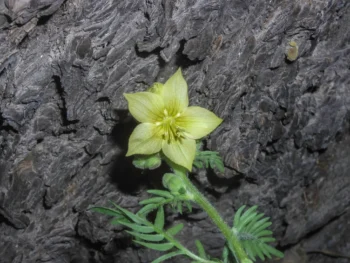
Yellow Jacob’s-ladder is a delightful native forb that brings both beauty and ecological value to your landscape. As a perennial member of the phlox family, this plant returns year after year, developing into a lovely clump of fern-like foliage topped with clusters of bright yellow, tubular flowers that seem to glow in the garden.
You might also encounter this plant listed under its botanical synonyms Polemonium filicinum or Polemonium flavum, but don’t let the scientific names intimidate you – this is one friendly plant that’s easier to grow than its fancy names suggest!
Where Does It Call Home?
This southwestern beauty is native to Arizona and New Mexico, where it has adapted beautifully to the region’s unique growing conditions. As a true native of the lower 48 states, it’s perfectly suited to thrive in gardens throughout its natural range.
- Species observed
- No observations
A Word About Conservation
Here’s something important to know: yellow Jacob’s-ladder has a conservation status that suggests it may be of concern in some areas. While this shouldn’t discourage you from growing it, it does mean you should be extra careful to source your plants or seeds from reputable native plant nurseries that practice responsible propagation. Never collect from wild populations – instead, support nurseries that are helping to preserve this lovely species through cultivation.
Garden Design Ideas
Yellow Jacob’s-ladder is like that perfect supporting actor – it might not steal the show, but it makes everything around it look better. Here’s how to use it in your garden:
- Tuck it into rock gardens where its delicate foliage provides textural contrast
- Use it as an accent plant in native wildflower gardens
- Include it in xeriscape designs for a pop of color
- Plant it in naturalized areas to support local ecosystems
Growing Conditions That Make It Happy
The good news is that yellow Jacob’s-ladder isn’t particularly fussy – it just wants what most southwestern natives prefer:
- Sunlight: Full sun to partial shade (it appreciates some afternoon shade in extremely hot climates)
- Soil: Well-draining soil is essential – this plant definitely doesn’t like wet feet
- Water: Drought tolerant once established, but appreciates occasional deep watering during dry spells
- Hardiness: Suitable for USDA zones 4-8, making it surprisingly cold-hardy
Planting and Care Tips
Ready to add this gem to your garden? Here’s how to ensure success:
When to plant: Spring is ideal, after the last frost has passed. This gives the plant time to establish before facing its first winter.
Planting process: Dig a hole as deep as the root ball and twice as wide. Backfill with native soil – no need for amendments if you have reasonably well-draining ground.
Ongoing care: This is where yellow Jacob’s-ladder really shines – it’s remarkably low-maintenance once established. Water regularly during the first growing season, then gradually reduce frequency. Deadheading spent flowers may encourage additional blooms, but it’s not necessary for the plant’s health.
Wildlife Benefits
Here’s where yellow Jacob’s-ladder really earns its keep in the garden ecosystem. Those bright yellow blooms are like neon signs for pollinators – bees love them, butterflies find them irresistible, and hummingbirds often stop by for a quick nectar sip. By planting yellow Jacob’s-ladder, you’re not just adding beauty to your garden; you’re providing valuable resources for local wildlife.
Should You Grow It?
Absolutely! If you live in Arizona or New Mexico and want to create a garden that’s both beautiful and ecologically responsible, yellow Jacob’s-ladder is an excellent choice. Just remember to source it responsibly from reputable native plant suppliers, and you’ll be rewarded with years of low-maintenance color and the satisfaction of supporting local wildlife.
This little native gem proves that you don’t need exotic plants to create garden magic – sometimes the most beautiful additions are the ones that have been quietly thriving in your region all along.