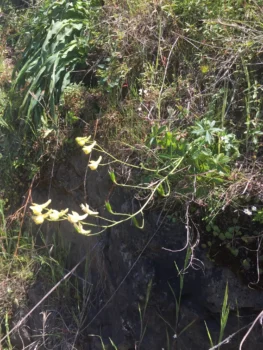
Yellow Larkspur: A Rare California Treasure Worth Protecting
If you’ve ever dreamed of growing something truly extraordinary in your native garden, yellow larkspur (Delphinium luteum) might catch your eye. But before you start planning where to plant it, there’s something crucial you need to know about this remarkable California native.
What Makes Yellow Larkspur Special
Yellow larkspur stands out in the Delphinium family for one obvious reason – its sunny yellow blooms. While most larkspurs sport blues and purples, this perennial forb breaks the mold with its cheerful golden flowers. As a native wildflower, it represents millions of years of evolution perfectly adapted to California’s unique climate and ecosystems.
Where You’ll Find It (Or Won’t)
This California endemic is found only within the Golden State, making it a true regional specialty. However, don’t expect to stumble across it on your next nature hike – yellow larkspur is incredibly rare.
- Species observed
- No observations
The Reality Check: This Plant Is in Serious Trouble
Here’s where things get serious. Yellow larkspur carries a Global Conservation Status of S1, meaning it’s critically imperiled. In the United States, it’s classified as endangered. With typically five or fewer occurrences and very few remaining individuals (fewer than 1,000), this plant is teetering on the edge of extinction.
What does this mean for you as a gardener? Simply put, this isn’t a plant you can casually add to your shopping cart.
Should You Grow Yellow Larkspur?
The short answer is: probably not, unless you’re involved in serious conservation efforts. Here’s why:
- Extreme rarity means seeds or plants are nearly impossible to obtain through legitimate channels
- Any wild collection would further threaten the species
- Growing conditions and care requirements are poorly understood due to limited research
- Legal restrictions may apply to handling endangered species
What We Know About Growing Conditions
While specific cultivation information is scarce, yellow larkspur likely prefers the grassland and oak woodland habitats where it naturally occurs. As a California native, it would need:
- Well-draining soil
- Mediterranean climate conditions
- Likely suitable for USDA zones 8-10
- Minimal summer water once established
Better Alternatives for Your Native Garden
Instead of pursuing this endangered beauty, consider these more readily available California natives that offer similar appeal:
- Red larkspur (Delphinium nudicaule) – another California native with striking flowers
- California poppy (Eschscholzia californica) – bright yellow blooms and easy to grow
- Coreopsis species – cheerful yellow flowers that support pollinators
- Native lupines – provide the tall, spiky flower structure similar to larkspurs
How You Can Help
While you probably shouldn’t try to grow yellow larkspur in your backyard, you can still support its conservation:
- Support organizations working on California native plant conservation
- Choose other native plants for your garden to support local ecosystems
- Spread awareness about endangered native plants
- If you’re a serious botanist or researcher, consider contributing to conservation efforts
The Takeaway
Yellow larkspur represents both the incredible diversity of California’s native flora and the urgent need for plant conservation. While most of us won’t have the chance to grow this rare beauty, we can honor it by making thoughtful choices about the natives we do plant. Every native garden, no matter how small, contributes to preserving the ecological relationships that plants like yellow larkspur depend on.
Sometimes the best way to love a plant is to admire it from afar and work to protect the wild spaces where it belongs.