Yellow Nailwort: A Rare Native Ground Cover Worth Discovering
If you’re looking for a truly unique native ground cover that most gardeners have never heard of, let me introduce you to yellow nailwort (Paronychia virginica). This little-known native perennial might not win any beauty contests, but it has some seriously impressive qualities that make it worth considering for the right garden situation.
What is Yellow Nailwort?
Yellow nailwort is a low-growing perennial herb native to the southeastern and south-central United States. Don’t let the humble herb classification fool you – this tough little plant forms dense, spreading mats that can handle conditions other plants simply can’t tolerate. It’s also known by several scientific synonyms in botanical literature, but Paronychia virginica is the accepted name you’ll want to remember.
Where Does Yellow Nailwort Grow Naturally?
This native beauty calls home to twelve states across the southern tier of the country: Alabama, Arkansas, District of Columbia, Georgia, Maryland, Missouri, North Carolina, Oklahoma, Tennessee, Texas, Virginia, and West Virginia. It’s perfectly adapted to the climate and growing conditions of these regions, making it an excellent choice for gardeners wanting to support local ecosystems.
- Species observed
- No observations
A Word About Rarity
Important note for conservation-minded gardeners: Yellow nailwort has a rarity status of S2 in both Alabama and Arkansas, meaning it’s considered rare in these states. If you’re interested in growing this plant, please source it only from reputable native plant nurseries that propagate their own stock rather than collecting from wild populations. Never harvest seeds or plants from natural areas.
What Does Yellow Nailwort Look Like?
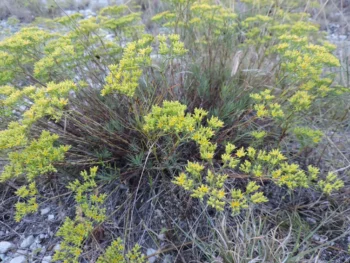
Let’s be honest – yellow nailwort isn’t going to stop traffic with its stunning blooms. This is a plant you grow for its function rather than flashy flowers. It produces small, inconspicuous yellowish-green flowers and has tiny, narrow leaves that give it a fine-textured appearance. The plant stays low to the ground, forming dense mats that spread slowly but steadily.
Why Grow Yellow Nailwort?
Here’s where this unassuming plant really shines:
- Drought tolerance: Once established, it can handle dry conditions like a champ
- Erosion control: Those spreading mats are excellent for stabilizing slopes and preventing soil erosion
- Low maintenance: This is definitely a plant it and forget it kind of groundcover
- Pollinator support: While the flowers are small, they do attract tiny native bees and other small pollinators
- Native ecosystem support: Every native plant helps support local wildlife in ways we’re still discovering
Perfect Garden Situations
Yellow nailwort isn’t for every garden, but it’s perfect for these situations:
- Rock gardens where you need something tough and low-growing
- Native plant gardens focused on regional flora
- Xerophytic (dry) gardens with minimal irrigation
- Naturalized landscapes where you want low-maintenance groundcover
- Problem areas with poor, well-drained soil where other plants struggle
Growing Conditions and Care
Yellow nailwort is surprisingly easy to grow once you understand its preferences:
Sunlight: Full sun to partial shade – it’s quite adaptable
Soil: Well-drained soils are absolutely essential. This plant cannot tolerate wet feet or soggy conditions
Hardiness: Thrives in USDA zones 6-9, making it suitable for most of its native range
Water: Drought tolerant once established, but benefits from occasional deep watering during prolonged dry spells
Planting and Care Tips
Getting yellow nailwort established is straightforward:
- Plant in spring after the last frost date
- Ensure excellent drainage – amend heavy clay soils with coarse sand or gravel if necessary
- Water regularly the first year to help establish the root system
- Once established, avoid overwatering – this is one plant that truly prefers to be on the dry side
- No fertilizer needed – it’s adapted to lean soils
- Minimal pruning required, though you can trim edges to control spread
The Bottom Line
Yellow nailwort might not be the showiest plant in your garden, but it’s a hardworking native that deserves consideration for the right situations. If you have a challenging site with poor, dry soil where other groundcovers have failed, or if you’re passionate about growing truly local native plants, yellow nailwort could be exactly what you’re looking for. Just remember to source it responsibly from nurseries that propagate their own plants, especially if you’re in Alabama or Arkansas where it’s considered rare.
Sometimes the most valuable garden plants are the quiet heroes working behind the scenes – and yellow nailwort is definitely one of those unsung champions of the native plant world.