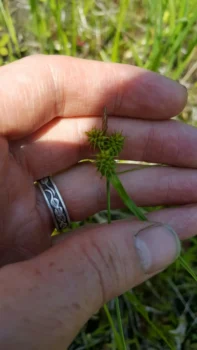
Yellow Sedge: The Bright Wetland Wonder for Your Native Garden
If you’re looking to add a splash of sunny color to your wetland garden or rain garden, yellow sedge (Carex flava) might just be the perfect native plant you’ve been searching for. This cheerful little sedge brings both beauty and ecological benefits to landscapes that can handle its love for consistently moist conditions.
What is Yellow Sedge?
Yellow sedge is a perennial grass-like plant that’s actually part of the sedge family (Cyperaceae), not a true grass. Don’t let that fool you though – it’s every bit as useful and attractive as its grassy cousins, just with its own unique personality. This native beauty gets its common name from the bright yellow-green foliage and distinctive yellow flower spikes that appear in spring and early summer, creating a cheerful beacon in wet areas where many other plants struggle.
Where Does Yellow Sedge Call Home?
This hardy sedge is truly a North American native success story. Yellow sedge naturally occurs across an impressive range that includes Alaska, Canada, and much of the lower 48 states. You’ll find it thriving from the maritime provinces of Canada down through the northeastern United States, across the Great Lakes region, and west into the Rocky Mountains and Pacific Northwest. States where you might encounter this native beauty include Connecticut, Maine, Massachusetts, Michigan, Minnesota, Montana, New Hampshire, Vermont, Wisconsin, and many others.
- Species observed
- No observations
Why Consider Yellow Sedge for Your Garden?
Here’s where yellow sedge really shines – it’s practically tailor-made for those tricky wet spots in your landscape that leave other plants gasping for air. As an obligate wetland plant, yellow sedge almost always occurs in wetlands in nature, making it perfect for:
- Rain gardens that collect runoff
- Bog gardens and wetland areas
- Pond and stream edges
- Low-lying areas that stay consistently moist
- Native plant gardens focused on wetland species
Beyond its practical applications, yellow sedge offers genuine aesthetic appeal. The bright yellow-green foliage creates an eye-catching contrast against darker wetland plants, while its clumping growth habit adds texture and structure to naturalized plantings.
Growing Conditions and Care
Yellow sedge is refreshingly straightforward to grow if you can meet its basic needs. This sedge thrives in USDA hardiness zones 2-7, making it suitable for most northern and mountainous regions where it naturally occurs.
Light requirements: Full sun to partial shade – it’s quite adaptable
Soil needs: Consistently moist to wet soils; it can even tolerate standing water
Maintenance: Low maintenance once established – this is not a high-drama plant
Planting and Care Tips
The key to success with yellow sedge is remembering that it’s a wetland specialist. Plant it in spring when you can keep the soil consistently moist during establishment. Here are some helpful tips:
- Choose the wettest spot in your garden – where other plants might struggle, yellow sedge will thrive
- Minimal fertilizer needed – wetland plants are typically adapted to nutrient-poor conditions
- Division can be done in spring if you want to expand your planting
- Be patient – like many native plants, it may take a season or two to really establish
Wildlife and Ecological Benefits
While yellow sedge is wind-pollinated rather than insect-pollinated, it still provides valuable habitat benefits. The dense clumps offer shelter and nesting material for beneficial insects, and the seeds can provide food for wetland birds. As a native plant, it fits seamlessly into local ecosystems and supports the complex web of native wildlife relationships.
Is Yellow Sedge Right for Your Garden?
Yellow sedge is an excellent choice if you have consistently wet areas in your landscape and want to work with nature rather than against it. It’s particularly valuable for gardeners interested in native plants, rain garden installations, or anyone dealing with wet, problematic areas in their yard.
However, this isn’t the plant for dry, well-drained garden beds. Yellow sedge needs moisture – lots of it – to perform well. If your garden tends toward the dry side, you’d be better served by drought-tolerant native alternatives.
For gardeners with the right conditions, yellow sedge offers a low-maintenance, ecologically beneficial way to add bright color and texture to wet areas. It’s a perfect example of how working with native plants adapted to your site’s conditions can create beautiful, sustainable landscapes that support local wildlife and require minimal inputs once established.