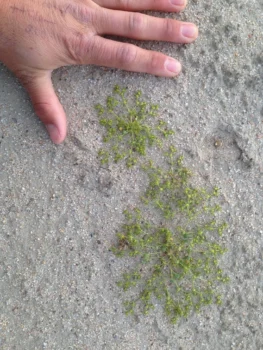
Yellow Spinecape: A Rare Desert Gem for Specialized Gardens
Meet the yellow spinecape (Goodmania luteola), a charming little annual that’s about as specialized as native plants get. This petite member of the buckwheat family might not win any height contests at just 2-8 inches tall, but what it lacks in stature, it makes up for in character and ecological importance.
Where You’ll Find This Desert Dweller
Yellow spinecape calls the southwestern United States home, specifically California and Nevada. This native wildflower has adapted to some pretty specific real estate – think alkaline flats, seasonal desert washes, and the edges of temporary wetlands where most plants would throw in the towel.
- Species observed
- No observations
What Makes Yellow Spinecape Special
Don’t let its humble appearance fool you. This annual forb produces clusters of tiny, bright yellow flowers that create a cheerful carpet effect when growing in groups. The blooming season runs from April through June, providing a burst of color when many desert plants are just getting started for the year.
As a forb, yellow spinecape is essentially an herbaceous flowering plant – no woody stems here, just soft, green growth that completes its entire life cycle in a single growing season.
A Word of Caution: Rarity Matters
Here’s where things get serious. Yellow spinecape has a Global Conservation Status of S3, meaning it’s considered vulnerable throughout its range. With only 21 to 100 known occurrences and an estimated 3,000 to 10,000 individuals total, this isn’t your run-of-the-mill wildflower. If you’re considering adding it to your garden, you’ll want to source seeds or plants only from reputable native plant nurseries that practice ethical collection methods.
Growing Conditions: Not Your Average Garden Plant
Yellow spinecape is what botanists call a facultative wetland plant, which basically means it usually hangs out in wetland areas but can tolerate drier conditions too. This unique preference makes it both interesting and challenging for home gardeners.
Here’s what this picky little plant needs to thrive:
- Climate: USDA hardiness zones 8-10
- Soil: Well-draining, alkaline soils (it actually prefers what most plants would consider difficult soil)
- Water: Seasonal moisture followed by dry periods – think feast or famine
- Sun: Full sun exposure
- Elevation: Low to moderate desert elevations
Is Yellow Spinecape Right for Your Garden?
This isn’t a plant for everyone, and that’s okay! Yellow spinecape works best in very specific garden situations:
- Desert or xeriscape gardens in California or Nevada
- Native plant restoration projects in appropriate habitats
- Seasonal wetland gardens or rain gardens in desert regions
- Educational or conservation gardens focused on rare native species
If you’re looking for a low-maintenance annual for a traditional garden bed, you might want to consider other native options that are more adaptable and less conservation-sensitive.
Wildlife and Pollinator Benefits
Despite its small size, yellow spinecape pulls its weight in the ecosystem. The tiny yellow flowers provide nectar for small native bees, flies, and other pollinators that might get overlooked by showier blooms. Small birds and desert rodents appreciate the seeds, making this little plant a valuable food source in its native habitat.
Planting and Care Tips
If you’ve decided yellow spinecape is right for your specialized garden, here’s how to give it the best shot at success:
- Timing: Direct sow seeds in fall or early spring to mimic natural germination cycles
- Soil prep: If your soil isn’t naturally alkaline, you may need to amend it
- Watering: Provide moderate water during germination and early growth, then back off as the plant matures
- Maintenance: Minimal – let it complete its natural cycle and collect seeds if desired
- Propagation: Annual plants rely on seed production, so allow some plants to go to seed naturally
The Bottom Line
Yellow spinecape is a fascinating native plant that deserves respect and protection rather than casual cultivation. If you have the right conditions and are committed to responsible gardening practices, it can be a meaningful addition to specialized native plant gardens. However, for most gardeners, supporting conservation efforts and choosing more readily available native alternatives might be the better path forward.
Remember, every rare plant we help protect today is a gift to future generations of both gardeners and wildlife!