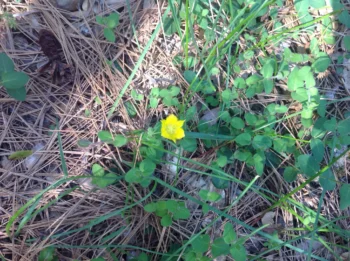
Yellow Star-Tulip: A Hidden Gem for California Native Gardens
If you’re looking to add a touch of understated elegance to your native garden, the yellow star-tulip (Calochortus monophyllus) might just be the perfect choice. This charming California native bulb produces delicate, star-shaped flowers that seem to glow like tiny lanterns in the spring landscape.
What Makes Yellow Star-Tulip Special?
Yellow star-tulip is a perennial forb—essentially a non-woody flowering plant that comes back year after year from underground bulbs. True to its name, this beauty produces distinctive three-petaled yellow flowers, often adorned with subtle markings that make each bloom a small work of art. The plant typically sends up a single, narrow basal leaf along with its flowering stem, creating a minimalist aesthetic that’s both elegant and unassuming.
Where Does It Call Home?
This lovely native species naturally occurs along the Pacific Coast, specifically in California and Oregon. You’ll find it thriving in grasslands, oak woodlands, and chaparral communities where it has adapted to the region’s Mediterranean climate patterns.
- Species observed
- No observations
Why Consider Adding It to Your Garden?
Here are several compelling reasons to give yellow star-tulip a spot in your landscape:
- Native plant credentials: As a true California native, it supports local ecosystems and requires minimal resources once established
- Pollinator magnet: The flowers attract native bees and other beneficial insects
- Low maintenance: Once established, it thrives with minimal intervention
- Seasonal interest: Provides beautiful spring blooms that naturalize over time
- Water-wise: Perfectly adapted to dry summer conditions
Important Conservation Note
Yellow star-tulip has a conservation status of S3S4, meaning it’s somewhat uncommon in its native range. If you decide to grow this species, please ensure you source bulbs from reputable native plant nurseries that propagate their own stock rather than collecting from wild populations.
Perfect Garden Settings
This charming bulb works beautifully in:
- Native plant gardens
- Mediterranean-climate landscapes
- Rock gardens and naturalized areas
- Drought-tolerant garden designs
- Oak woodland understory plantings
Growing Conditions and Care
Climate: Hardy in USDA zones 7-10, yellow star-tulip thrives in areas with Mediterranean climate patterns—wet winters and dry summers.
Light: Prefers full sun to partial shade
Soil: Well-draining soil is absolutely essential. These bulbs will rot in waterlogged conditions, so consider raised beds or slopes if your soil tends to hold moisture.
Water: Follow nature’s lead—provide moisture during the fall and winter growing season, then allow the soil to dry out completely during summer dormancy.
Planting and Care Tips
When to plant: Fall is the ideal time to plant bulbs, giving them time to establish roots before spring growth begins.
Planting depth: Plant bulbs about 3-4 inches deep in well-draining soil.
Spacing: Allow 4-6 inches between bulbs for natural-looking clusters.
Summer care: This is crucial—allow the area to go completely dry during summer months. The bulbs need this dormant period to thrive.
Fertilizing: Generally unnecessary if planted in appropriate soil conditions.
Potential Challenges
The biggest challenge with yellow star-tulip is overwatering, especially during summer dormancy. Many gardeners struggle with the idea of letting an area go completely dry, but this Mediterranean native absolutely requires it. Mark the planting area so you don’t accidentally water it during summer garden maintenance.
The Bottom Line
Yellow star-tulip offers native plant gardeners a chance to grow something truly special—a delicate, beautiful wildflower that perfectly embodies California’s natural heritage. While it requires specific conditions and careful sourcing due to its conservation status, the reward of seeing these cheerful yellow stars emerge each spring makes the effort worthwhile. Just remember: when in doubt, let it drought!