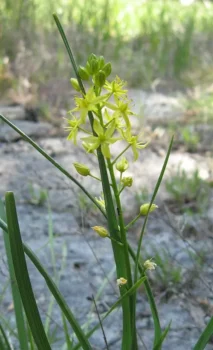
Yellow Sunnybell: A Rare Wetland Gem for Specialized Gardens
If you’re looking to add a touch of sunshine to your wetland garden, meet the yellow sunnybell (Schoenolirion croceum) – a charming native perennial that’s as specialized as it is beautiful. This little-known southeastern treasure might not be the easiest plant to grow, but for the right gardener in the right conditions, it’s absolutely worth the effort.
What Makes Yellow Sunnybell Special
Yellow sunnybell is a native perennial forb that belongs to our region’s natural wetland communities. As its common name suggests, this plant produces lovely yellow flowers that seem to glow like tiny suns in the spring landscape. The grass-like foliage creates an elegant, understated presence even when not in bloom.
This herbaceous perennial lacks woody stems and dies back to ground level each winter, returning faithfully each spring from its underground parts – a classic behavior that makes it a true perennial gem.
Where Yellow Sunnybell Calls Home
Native to the southeastern United States, yellow sunnybell naturally occurs across eight states: Alabama, Florida, Georgia, Louisiana, North Carolina, South Carolina, Tennessee, and Texas. You’ll find it thriving in the wild wetlands, bogs, and marshy areas that characterize much of the coastal plain region.
- Species observed
- No observations
A Plant That Needs Our Help
Here’s something important to know: yellow sunnybell is considered rare in parts of its range. In Alabama, it has a rarity status of S2, meaning it’s imperiled and at risk of disappearing from the landscape. This makes it even more special – and more important to grow responsibly.
If you’re interested in adding this plant to your garden, make absolutely sure you’re purchasing from reputable nurseries that propagate their plants rather than collecting from wild populations. Never dig plants from the wild, as this threatens already vulnerable populations.
Growing Conditions: Not Your Average Garden Plant
Yellow sunnybell isn’t kidding around when it comes to its water requirements. This plant is classified as an obligate wetland species, which means it almost always occurs in wetlands and needs consistently wet to saturated soil conditions to thrive.
Here’s what yellow sunnybell needs to be happy:
- Constantly moist to wet soil conditions
- Full sun to partial shade exposure
- Acidic, organic-rich soils typical of wetland environments
- USDA hardiness zones 8-10
- High humidity levels
Is Yellow Sunnybell Right for Your Garden?
Let’s be honest – yellow sunnybell isn’t for everyone. This is a specialized plant that requires very specific conditions to thrive. It’s perfect for:
- Bog gardens and artificial wetlands
- Rain gardens in consistently wet areas
- Wetland restoration projects
- Native plant enthusiasts with appropriate conditions
- Educational gardens showcasing rare native species
However, if you have a typical suburban garden with average drainage, this probably isn’t the plant for you. Yellow sunnybell will struggle or fail completely in standard garden conditions.
Benefits for Wildlife and Pollinators
Like many native wetland plants, yellow sunnybell plays an important role in supporting local ecosystems. Its spring flowers provide nectar for small native bees, flies, and other pollinators that are active early in the season. The plant also contributes to the overall biodiversity of wetland habitats, which support countless species of birds, amphibians, and other wildlife.
Planting and Care Tips
If you have the right conditions and access to responsibly sourced plants, here’s how to give yellow sunnybell its best shot:
- Plant in spring after the last frost
- Choose the wettest spot in your garden – ideally one that stays saturated
- Amend soil with plenty of organic matter like compost or leaf mold
- Maintain consistent moisture levels throughout the growing season
- Allow the plant to go dormant naturally in winter
- Be patient – this plant may take time to establish in cultivation
The Bottom Line
Yellow sunnybell is a beautiful native plant that deserves our respect and protection. While it’s not suitable for most typical gardens, it can be a wonderful addition to specialized wetland gardens and conservation-minded landscapes. If you’re passionate about native plants and have the right growing conditions, consider adding this rare gem to your collection – just make sure you’re doing so responsibly.
Remember, every rare native plant we successfully grow and propagate in our gardens is a small victory for conservation. Yellow sunnybell may be challenging, but for the dedicated wetland gardener, it offers the satisfaction of growing something truly special and helping preserve a piece of our natural heritage.