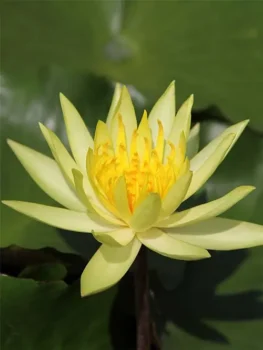
Yellow Waterlily: A Sunny Splash for Your Water Garden
If you’ve ever dreamed of transforming your backyard pond into a slice of aquatic paradise, the yellow waterlily (Nymphaea mexicana) might just be the golden ticket you’re looking for. This cheerful perennial brings sunshine to water gardens with its bright yellow blooms that seem to float like little suns on the water’s surface.
What Makes Yellow Waterlily Special?
Also known by the botanical name Nymphaea mexicana, this aquatic beauty is a true showstopper. Picture this: glossy, heart-shaped leaves creating perfect lily pads, topped with vibrant yellow cup-shaped flowers that can reach 3-5 inches across. The blooms feature prominent yellow stamens that practically glow in the sunlight, creating a display that’s both elegant and eye-catching.
As a rhizomatous forb, yellow waterlily spreads through underground stems rather than significant woody growth. This growth habit allows it to establish colonies of plants that create stunning coverage across your water feature.
Where Does It Come From?
Yellow waterlily is native to the southeastern United States, calling states like Alabama, Arizona, California, Florida, Georgia, Louisiana, Mississippi, New Mexico, North Carolina, Oklahoma, South Carolina, and Texas home. However, it has also established itself in British Columbia, Canada, where it grows as a non-native but naturalized species.
- Species observed
- No observations
Is Yellow Waterlily Right for Your Garden?
This aquatic perennial is perfect for gardeners who want to create a water feature with serious wow factor. Here’s what makes it appealing:
- Bright yellow flowers that bloom in spring and provide consistent color
- Moderate growth rate that won’t overwhelm your pond overnight
- Creates natural habitat structure for aquatic wildlife
- Attracts pollinators like bees, flies, and beetles to your water garden
- Provides surface coverage that helps control algae growth
However, there are some considerations to keep in mind. Yellow waterlily has an obligate wetland status across all regions, meaning it absolutely requires wetland conditions to thrive. It also has no drought tolerance whatsoever and needs high moisture levels year-round.
Perfect Garden Settings
Yellow waterlily shines in these landscape applications:
- Water gardens and ornamental ponds
- Bog gardens with standing water
- Natural wetland restoration projects
- Aquatic landscaping features
- Large container water gardens
Growing Conditions That Make It Happy
Success with yellow waterlily comes down to understanding its specific needs:
- Water depth: Plant rhizomes 12-24 inches below the water surface
- Sunlight: Requires full sun (shade intolerant)
- Soil: Thrives in fine to medium-textured soils, particularly clay
- pH range: Tolerates pH levels from 5.0 to 9.0
- Temperature: Minimum temperature tolerance of -2°F
- Hardiness zones: Best suited for USDA zones 8-11, though may survive in zone 7 with protection
Planting and Care Tips
Getting your yellow waterlily established is surprisingly straightforward:
Planting: Yellow waterlily is routinely available commercially and is typically propagated by bare root divisions. Plant rhizomes in heavy clay soil or specialized aquatic planting medium in containers. The minimum root depth should be 12 inches.
Ongoing care: Remove spent flowers and yellowing leaves regularly to maintain appearance and plant health. The plant has a moderate lifespan and moderate growth rate, so it won’t require constant management.
Spacing: Allow for 1,746 to 3,450 plants per acre, depending on your desired coverage density.
A Note for Non-Native Regions
If you’re gardening outside of yellow waterlily’s native southeastern range, consider exploring native aquatic alternatives for your region. Many areas have their own spectacular native water lilies and aquatic plants that provide similar beauty while supporting local ecosystems. Your local native plant society or extension office can help you identify the best native options for your water garden.
The Bottom Line
Yellow waterlily offers water gardeners a reliable, beautiful option for adding color and structure to aquatic landscapes. With its sunny disposition, pollinator appeal, and relatively easy care requirements, it’s a solid choice for anyone looking to create an aquatic focal point. Just remember that this plant is all about the water life – it needs consistent moisture and won’t tolerate dry conditions, making it perfect for dedicated water features but unsuitable for traditional garden beds.