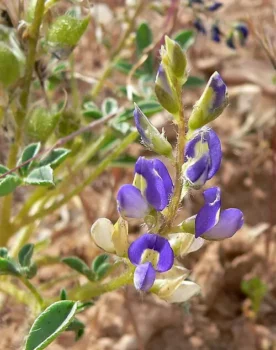
Yelloweyes Lupine: A Charming Native Wildflower for Desert Gardens
Meet yelloweyes (Lupinus flavoculatus), a delightful annual wildflower that brings a splash of color to the American Southwest. This charming native lupine might be small in stature, but it packs a punch when it comes to supporting local ecosystems and adding authentic regional character to your garden.
What Makes Yelloweyes Special
Yelloweyes gets its common name from the distinctive yellow spots on its flowers, which create an eye-catching contrast against the typical lupine blue and purple hues. As an annual forb, this plant completes its entire life cycle in one growing season, making it perfect for gardeners who enjoy seasonal variety.
Botanically known as Lupinus flavoculatus, this species belongs to the legume family and shares the characteristic palmate leaves and flower spikes that make lupines so recognizable. The plant typically reaches 6 to 24 inches in height, creating lovely low-growing clusters in naturalized settings.
Where Yelloweyes Calls Home
This native wildflower is naturally found across the southwestern United States, including Arizona, California, Nevada, and Utah. It thrives in the region’s arid and semi-arid landscapes, making it perfectly adapted to challenging desert conditions that would stress many other flowering plants.
- Species observed
- No observations
Why Consider Yelloweyes for Your Garden
There are several compelling reasons to include yelloweyes in your native plant palette:
- True regional native: Supporting local ecosystems by growing plants that belong in your area
- Pollinator magnet: Attracts native bees, butterflies, and other beneficial insects
- Soil improvement: As a legume, it fixes nitrogen in the soil, benefiting neighboring plants
- Low maintenance: Adapted to thrive with minimal water and care once established
- Self-sustaining: Readily self-seeds to maintain populations year after year
Perfect Garden Settings
Yelloweyes lupine shines brightest in:
- Desert and xeriscape gardens
- Wildflower meadows and naturalized areas
- Restoration and erosion control projects
- Rock gardens with well-draining soil
- Native plant collections focusing on southwestern species
Growing Yelloweyes Successfully
Climate and Hardiness: This desert native is best suited for USDA zones 8-10, where it can complete its annual cycle without frost damage during its peak growing season.
Soil and Site Requirements: Yelloweyes absolutely must have well-draining soil. Sandy or rocky soils work perfectly, while heavy clay or constantly moist conditions will likely lead to failure. Full sun exposure is essential for healthy growth and flowering.
Watering Needs: Once established, yelloweyes requires minimal supplemental watering. In fact, overwatering is more likely to harm this drought-adapted native than underwatering.
Planting and Care Tips
Starting from Seed: Direct seeding in fall gives the best results, as seeds benefit from natural winter stratification. The hard seed coat may benefit from light scarification before planting to improve germination rates.
Ongoing Care: The beauty of native plants like yelloweyes is their self-sufficiency. Once established, they typically require little to no fertilization, pest control, or special care. Simply allow them to complete their natural cycle and self-seed for next year’s display.
A Note About Conservation
Yelloweyes has a conservation status that suggests it’s relatively stable in the wild, but like many native species, it benefits from gardeners who choose to grow and preserve it. When sourcing seeds or plants, always choose reputable native plant suppliers who collect responsibly and don’t deplete wild populations.
The Bottom Line
If you’re gardening in the southwestern United States and want to support local wildlife while enjoying a charming, low-maintenance wildflower, yelloweyes lupine deserves a spot in your landscape. It’s a perfect choice for gardeners who appreciate the unique beauty of desert natives and want to create habitat that truly belongs in their region.
Remember, the most successful native gardens work with nature rather than against it. Yelloweyes lupine is a wonderful example of a plant that will reward you with beauty and ecological benefits when given the conditions it naturally prefers.