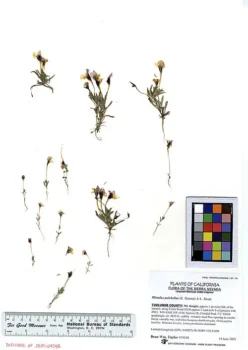
Yellowlip Pansy Monkeyflower: A Rare California Native Worth Growing Responsibly
Meet the yellowlip pansy monkeyflower (Mimulus pulchellus), a charming little California native that’s as delightful as its whimsical name suggests. This petite annual wildflower brings a splash of sunshine to gardens while supporting local ecosystems – though its rarity means you’ll want to be thoughtful about how you source it.
What Makes This Monkeyflower Special
The yellowlip pansy monkeyflower is a true California original, found nowhere else in the world except the Golden State. As a member of the monkeyflower family, it produces those characteristic face-like blooms that seem to grin back at you from the garden. The small, delicate flowers showcase a lovely combination of yellow and pink or purple hues, typically measuring about half an inch to an inch across.
This annual forb (that’s botanist-speak for a non-woody flowering plant) has a relatively compact growth habit, making it perfect for tucking into smaller spaces or adding fine texture to native plant compositions.
Where You’ll Find It Growing Wild
This special little plant calls California home, where it naturally occurs in desert regions and foothills. As a California endemic, it’s perfectly adapted to the state’s unique climate patterns and soil conditions.
- Species observed
- No observations
A Word About Rarity
Here’s something important to know: yellowlip pansy monkeyflower has a conservation status of S2S3, meaning it’s considered uncommon to somewhat common but still warrants attention. If you’re interested in growing this beauty, please source seeds or plants from reputable native plant nurseries that practice responsible collection methods. Never collect from wild populations – let’s keep this lovely species thriving in its natural habitat!
Why Gardeners Love (and Should Consider) This Plant
There are several compelling reasons to include yellowlip pansy monkeyflower in your garden:
- True California native: Support local ecosystems and biodiversity
- Pollinator magnet: Attracts small native bees and other beneficial insects
- Water-wise: Once established, it’s quite drought tolerant
- Unique beauty: Those adorable monkey face flowers are conversation starters
- Low maintenance: As an annual, it completes its life cycle without fuss
Perfect Garden Companions
This monkeyflower shines in specialized native gardens, rock gardens, and drought-tolerant landscapes. It’s particularly well-suited for:
- Desert-themed gardens
- Xeriscapes and water-wise landscapes
- Native plant collections
- Rock gardens where its delicate form can be appreciated up close
Growing Conditions That Make It Happy
Yellowlip pansy monkeyflower isn’t particularly fussy, but it does have some preferences. It thrives in USDA hardiness zones 8-10, which covers most of California’s temperate to warm regions.
For soil, think drainage, drainage, drainage. Sandy, well-draining soils are ideal – this plant definitely doesn’t appreciate wet feet. As for sunlight, it’s quite flexible, doing well in full sun to partial shade conditions.
Interestingly, despite being drought-tolerant once established, this species has a Facultative Wetland status in California’s regions, meaning it usually occurs in wetlands but can also thrive in non-wetland areas. This adaptability makes it a great choice for gardens with varying moisture conditions.
Planting and Care Tips
Growing yellowlip pansy monkeyflower is refreshingly straightforward:
- When to plant: Direct seed in fall for spring germination
- Soil prep: Ensure excellent drainage; amend heavy soils with sand or gravel if needed
- Watering: Provide regular water during establishment, then reduce once plants are growing strong
- Maintenance: Minimal care required – this is a set it and forget it kind of plant
- Annual lifecycle: Let plants complete their cycle and self-seed for next year’s display
Supporting Pollinators and Wildlife
While we don’t have extensive data on all the wildlife benefits this species provides, we do know it attracts small native bees and other pollinators. Every native plant you add to your garden creates stepping stones for local wildlife, contributing to the broader ecosystem health of your area.
The Bottom Line
Yellowlip pansy monkeyflower is a delightful addition to the right garden – one that celebrates California’s unique flora while supporting local pollinators. Its rarity makes it extra special, but also means we need to be responsible stewards. Source it ethically, give it the well-draining conditions it loves, and enjoy watching this charming little native bring life and color to your landscape.
Remember, growing native plants isn’t just about creating a beautiful garden – it’s about preserving our natural heritage for future generations to enjoy.