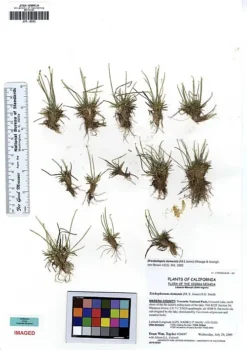
Yosemite Bulrush: A Rare California Native Worth Protecting
If you’re passionate about native plants and conservation, you might be intrigued by the Yosemite bulrush (Trichophorum clementis), a little-known sedge that calls California home. This perennial grass-like plant represents something special in the world of native gardening – a chance to support biodiversity while growing something truly unique.
Meet the Yosemite Bulrush
Don’t let the name fool you – while called a bulrush, Trichophorum clementis is actually a member of the sedge family. This perennial native has quite the collection of scientific aliases, including Baeothryon clementis and Scirpus clementis, which might pop up in older botanical references.
What makes this plant particularly noteworthy is its rarity. The Yosemite bulrush holds a Global Conservation Status of S3, meaning it’s considered vulnerable throughout its range. With typically only 21 to 100 occurrences and between 3,000 to 10,000 individuals in existence, this isn’t your run-of-the-mill garden plant.
Where You’ll Find It
True to its name, Trichophorum clementis is found exclusively in California. As a native species to the lower 48 states with such a limited range, it represents an important piece of California’s botanical heritage.
- Species observed
- No observations
Should You Grow Yosemite Bulrush?
Here’s where things get interesting – and responsible. While growing rare natives can be incredibly rewarding, the vulnerable status of Yosemite bulrush means you need to be extra thoughtful about sourcing.
The good news: If you can find responsibly propagated material from reputable native plant nurseries or conservation organizations, you’ll be supporting conservation efforts while adding a truly unique California native to your garden.
The important caveat: Never collect this plant from the wild, and always verify that any plants you purchase were ethically propagated, not wild-collected.
Growing Conditions and Care
As a grass-like sedge, Yosemite bulrush likely thrives in conditions similar to other California sedges. Its facultative wetland status in both the Arid West and Western Mountains regions tells us it’s adaptable – it can handle both wetland and non-wetland conditions, making it potentially versatile for different garden situations.
Based on its California distribution, this plant would likely perform best in USDA hardiness zones 7-10, though specific cultivation information is limited due to its rarity.
Garden Role and Landscape Use
Given its specialized nature and conservation status, Yosemite bulrush is best suited for:
- Native plant collections and botanical gardens
- Restoration projects within its native range
- Educational gardens focused on rare California flora
- Specialized wetland or riparian plantings
The Bottom Line
Yosemite bulrush isn’t for every gardener or every garden. Its rarity means it requires a conservation-minded approach and responsible sourcing. However, for dedicated native plant enthusiasts with access to ethically sourced plants, it offers the chance to grow and help preserve a piece of California’s unique botanical heritage.
If you’re interested in supporting California’s native sedges but can’t find responsibly sourced Yosemite bulrush, consider other native Carex species or bulrushes that are more common and readily available from nurseries specializing in California natives.
Remember: when it comes to rare plants, admiration and protection often serve conservation better than cultivation. Sometimes the best way to appreciate a species is to support its protection in its natural habitat.