Youth on Age: The Charming Native Groundcover That Grows Baby Plants
If you’re looking for a unique native plant that’s practically guaranteed to spark conversation in your garden, let me introduce you to youth on age (Tolmiea menziesii). This delightful Pacific Northwest native has one of the most endearing tricks in the plant world – it literally grows baby plants right on top of its leaves! It’s like nature’s version of a piggyback ride, which is why some folks also call it the piggyback plant.
What Makes Youth on Age Special
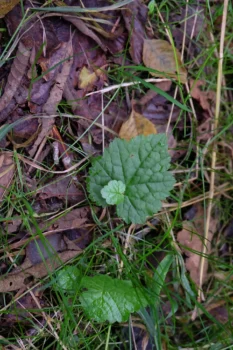
Youth on age is a charming perennial forb that belongs to the saxifrage family. What sets this plant apart from your typical groundcover is its fascinating reproductive strategy. Mature leaves develop tiny plantlets right where the leaf blade meets the stem, creating adorable mini-me versions of the parent plant. These little hitchhikers eventually drop off and root themselves nearby, creating natural colonies over time.
The plant features heart-shaped, soft green leaves with gently scalloped edges that form attractive low mounds. In late spring to early summer, it sends up delicate spikes of tiny white or greenish-white flowers that may be small individually but create a lovely airy effect when viewed as a whole.
Where Youth on Age Calls Home
This native gem is naturally found throughout the Pacific coastal regions, thriving in British Columbia, Alaska, California, Oregon, and Washington. In the wild, you’ll typically spot it in moist, shaded areas of coniferous forests, along stream banks, and in other cool, humid environments.
- Species observed
- No observations
Why Gardeners Love This Native Plant
There are several compelling reasons to consider adding youth on age to your native plant palette:
- Low maintenance: Once established, it’s quite easy to care for
- Natural propagation: The plantlets make it simple to expand your collection or share with friends
- Shade tolerance: Perfect for those tricky shady spots where many plants struggle
- Native wildlife support: The flowers attract small native pollinators like bees and flies
- Year-round interest: Evergreen foliage provides structure even in winter
- Unique conversation starter: The baby plants never fail to amaze visitors
Perfect Garden Situations
Youth on age shines in several garden settings:
- Woodland gardens: Mimics its natural forest floor habitat
- Shade borders: Creates attractive groundcover under trees and shrubs
- Rock gardens: Softens hard edges with its gentle foliage
- Container gardens: Makes an excellent houseplant or patio container specimen
- Rain gardens: Tolerates occasional wet conditions well
Growing Conditions and Care
Youth on age is refreshingly undemanding once you understand its preferences:
Light: Partial to full shade is ideal. While it can tolerate some morning sun, hot afternoon sun will stress the plant.
Soil: Prefers moist, well-draining soil rich in organic matter. It’s quite adaptable to different soil types but appreciates consistent moisture.
Water: Keep soil consistently moist but not waterlogged. The plant’s facultative wetland status means it can handle both wet and moderately dry conditions, though it performs best with regular water.
Climate: Hardy in USDA zones 6-9, this cool-weather lover thrives in the Pacific Northwest’s mild, moist climate.
Planting and Propagation Tips
Getting started with youth on age is wonderfully straightforward:
- Timing: Plant in spring or fall when temperatures are cool and moisture is plentiful
- Spacing: Allow 12-18 inches between plants, though they’ll naturally fill in over time
- Propagation: Simply detach the plantlets from mature leaves and plant them in moist soil – they root readily
- Mulching: A light layer of organic mulch helps retain moisture and suppress weeds
A Few Things to Keep in Mind
While youth on age is generally trouble-free, there are a few considerations:
- It can spread naturally through its plantlets, so give it room to roam or be prepared to manage its expansion
- In very dry conditions, the leaves may become somewhat dormant, but they’ll perk up with adequate water
- Slugs and snails occasionally nibble the tender leaves, especially in very moist conditions
The Bottom Line
Youth on age is a delightful addition to any shade garden, especially for gardeners who appreciate native plants with unique characteristics. Its easy-going nature, fascinating reproduction method, and value to local pollinators make it an excellent choice for both beginning and experienced gardeners. Plus, you’ll never run short of gifts for fellow gardeners – just share a few plantlets and watch their amazement when they discover how this charming plant earned its whimsical name!