Yreka Phlox: A Rare California Gem Worth Protecting
Meet the Yreka phlox (Phlox hirsuta), a tiny but mighty wildflower that’s become one of California’s most precious botanical treasures. This diminutive perennial might not tower over your garden, but what it lacks in size, it more than makes up for in rarity and ecological significance.
A Plant on the Brink
Before we dive into growing tips, there’s something crucial you need to know: Yreka phlox is critically endangered. With a Global Conservation Status of S1 and listed as Endangered in the United States, this little beauty is hanging on by a thread in the wild. That means if you’re considering adding it to your garden, you’ll need to source it responsibly – and that’s a big if, since it’s incredibly difficult to find.
Where Does Yreka Phlox Call Home?
This California native has one of the most limited ranges you’ll ever encounter in the plant world. Phlox hirsuta grows exclusively in California, primarily in the Siskiyou Mountains region around the town of Yreka (hence the common name). It’s what botanists call a narrow endemic – a species that evolved in one specific area and never spread beyond it.
- Species observed
- No observations
What Makes This Phlox Special?
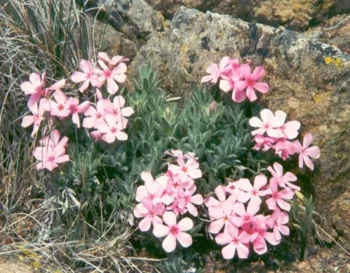
Don’t let its endangered status fool you into thinking Yreka phlox is a wallflower. This perennial puts on quite a show despite its compact size:
- Height: Stays under 1.5 feet tall, typically maxing out around 6 inches
- Spread: Forms neat, cushion-like mounds
- Flowers: Delicate pink to lavender blooms that appear in spring
- Growth habit: Low-growing shrub with a tidy, compact form
The flowers are small but perfectly formed, creating a carpet of color that attracts butterflies, moths, and other pollinators during its brief but spectacular blooming period.
Growing Yreka Phlox: For the Committed Conservationist
If you’re lucky enough to obtain seeds or plants through legitimate conservation channels, here’s what this picky little plant demands:
Perfect Growing Conditions
- Sunlight: Full sun to partial shade
- Soil: Well-draining, rocky or sandy soils – absolutely no heavy clay
- Water: Drought tolerant once established; avoid overwatering
- Climate: USDA hardiness zones 5-8
Planting and Care Tips
Growing Yreka phlox successfully requires mimicking its natural mountain habitat:
- Plant in spring after the last frost
- Ensure excellent drainage – this cannot be overstated
- Avoid rich, fertile soils; lean, rocky conditions are preferred
- Water sparingly once established
- Mulch lightly with gravel or small stones rather than organic matter
Garden Design: Where Does It Fit?
If you’re growing Yreka phlox, you’re likely creating a specialized native plant or rock garden. This plant excels in:
- Rock gardens and alpine plantings
- Native California plant collections
- Xerophytic (drought-adapted) landscapes
- Conservation gardens
Its low, spreading habit makes it an excellent groundcover for small areas, though you’ll want to give it space to show off its unique form.
The Bottom Line: Conservation Over Cultivation
Here’s the honest truth: most gardeners shouldn’t attempt to grow Yreka phlox. Its endangered status means it should primarily be left to botanical gardens, research institutions, and serious conservation efforts. If you’re interested in supporting this species, consider:
- Donating to organizations working to protect its habitat
- Choosing other native California phlox species for your garden
- Supporting native plant societies that work on conservation
Yreka phlox reminds us that not every beautiful plant belongs in our personal gardens – sometimes the most loving thing we can do is admire from afar and work to protect what little remains in the wild. This tiny mountain gem deserves our respect and protection, ensuring future generations might still catch a glimpse of its delicate blooms in California’s rugged landscapes.