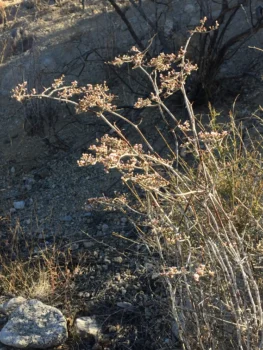
Yucca Buckwheat: A Delicate Desert Native Worth Growing Responsibly
Meet yucca buckwheat (Eriogonum plumatella), a charming little perennial that’s been quietly beautifying the American Southwest for centuries. This delicate native herb might not be the showiest plant in your garden, but it brings a subtle elegance and important ecological benefits that make it a wonderful addition to the right landscape.
What Makes Yucca Buckwheat Special
Yucca buckwheat is a true southwestern native, naturally occurring across Arizona, California, and Nevada. As a member of the buckwheat family, this perennial herb produces clusters of tiny white to pinkish flowers that dance above silvery-green foliage. Despite its common name, it’s not related to yucca plants at all – the name likely comes from its tendency to grow in similar desert habitats.
- Species observed
- No observations
A Plant That Plays Well with Others
In the garden, yucca buckwheat shines as a groundcover or accent plant in rock gardens and xeriscapes. Its low-growing, spreading habit makes it perfect for filling spaces between larger desert plants or cascading over rock walls. The plant typically stays compact, making it ideal for smaller spaces where you want native character without overwhelming other plants.
Perfect for Desert and Drought-Tolerant Gardens
This little beauty is tailor-made for:
- Desert and xeriscape gardens
- Rock gardens and stone landscapes
- Native plant gardens
- Drought-tolerant landscape designs
- Pollinator-friendly gardens
A Pollinator Magnet
Don’t let its small flowers fool you – yucca buckwheat is a pollinator powerhouse! The clusters of tiny blooms attract native bees, butterflies, and other beneficial insects throughout its flowering season. This makes it an excellent choice for gardeners looking to support local ecosystems while creating beautiful landscapes.
Growing Yucca Buckwheat Successfully
The good news is that yucca buckwheat is relatively easy to grow once you understand its preferences. This desert native thrives in USDA hardiness zones 8-10 and absolutely loves full sun and well-draining soil.
Planting and Care Tips
Here’s how to keep your yucca buckwheat happy:
- Soil: Well-draining sandy or rocky soil is essential – this plant hates wet feet
- Water: Very drought tolerant once established; water sparingly and avoid overwatering
- Sunlight: Full sun is best for optimal growth and flowering
- Planting time: Fall or spring planting works best
- Maintenance: Minimal care required – just let it do its thing!
An Important Note About Rarity
Here’s something crucial to know: yucca buckwheat has a conservation status that indicates it’s somewhat uncommon in the wild. This means if you’re interested in growing this lovely native, it’s essential to source your plants or seeds from reputable native plant nurseries that use responsibly collected or propagated material. Never collect plants from the wild – instead, support conservation efforts by purchasing from ethical sources.
Should You Grow Yucca Buckwheat?
If you’re gardening in the Southwest and want to create habitat for native wildlife while adding subtle beauty to your landscape, yucca buckwheat could be perfect for you. It’s particularly wonderful for gardeners who appreciate understated elegance and want to support local ecosystems with minimal water use.
Just remember to source your plants responsibly, give them the well-draining conditions they crave, and enjoy watching the pollinators discover this hidden gem in your garden. Sometimes the most rewarding plants are the ones that whisper rather than shout – and yucca buckwheat definitely falls into that delightful category.