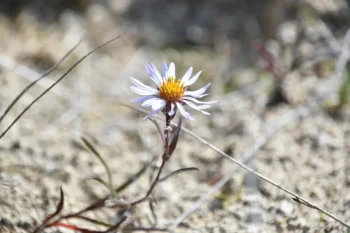
Yukon Aster: A Rare Arctic Beauty for Cold-Climate Gardens
Meet the Yukon aster (Symphyotrichum yukonense), one of nature’s most resilient wildflowers that calls the far north home. This hardy perennial might just be the perfect addition to your garden—if you live in the right climate and can source it responsibly.
What Makes Yukon Aster Special?
The Yukon aster is a true northerner, thriving in some of the harshest conditions on the continent. Also known by its former scientific names Aster yukonensis and Virgulus yukonensis, this charming perennial forb produces delicate daisy-like flowers that brighten the landscape during the brief but glorious northern summer.
What sets this plant apart is its incredible cold tolerance and ability to flourish where many other plants simply can’t survive. Its small white to pale purple flowers with sunny yellow centers create a lovely carpet of color that’s perfectly scaled for intimate garden spaces.
Where Does Yukon Aster Grow Naturally?
This arctic native has a limited range, naturally occurring in Alaska, Yukon Territory, and the Northwest Territories. It’s perfectly adapted to the unique challenges of subarctic climates, including short growing seasons, extreme cold, and variable moisture conditions.
- Species observed
- No observations
Important Conservation Note
Here’s something every gardener should know: Yukon aster is considered vulnerable, with a Global Conservation Status of S3. This means it’s rare throughout its natural range, with typically only 21 to 100 known occurrences. If you’re interested in growing this special plant, please only purchase from reputable nurseries that use responsibly sourced, propagated material—never collect from wild populations.
Is Yukon Aster Right for Your Garden?
Yukon aster is definitely not for every gardener, but it could be perfect for yours if:
- You live in USDA hardiness zones 1-4 (the coldest zones)
- You’re passionate about native plants and conservation
- You want to create a specialized arctic or subarctic garden
- You have well-draining soil and can provide full sun to partial shade
- You appreciate subtle, natural beauty over flashy garden displays
Garden Design Ideas
In the right setting, Yukon aster shines as:
- A unique addition to rock gardens where its low-growing habit fits perfectly
- Groundcover in naturalized areas that mimic its native habitat
- A conversation piece in specialized cold-climate native plant collections
- Part of a pollinator garden designed for northern climates
Growing Conditions and Care
This arctic adapted plant has some specific needs:
- Climate: Requires genuinely cold winters and cool summers
- Soil: Well-draining soil is essential—it can’t tolerate waterlogged conditions despite its facultative wetland status
- Light: Full sun to partial shade
- Water: Moderate moisture, but drainage is crucial
- Maintenance: Very low once established
Planting and Propagation Tips
Growing Yukon aster from seed requires patience and the right technique:
- Seeds need cold stratification to germinate—mimic natural winter conditions
- Start seeds indoors in late winter if you can provide cool growing conditions
- Be patient—germination can be slow and irregular
- Once established, plants are incredibly low-maintenance
Wildlife and Pollinator Benefits
Like other members of the aster family, Yukon aster provides valuable late-season nectar for pollinators. In its native range, it supports arctic and subarctic bees, flies, and other insects that have adapted to the short northern growing season. The seeds may also provide food for northern birds during their brief breeding season.
The Bottom Line
Yukon aster isn’t a plant for every garden, but for cold-climate gardeners interested in rare natives, it offers something truly special. Its conservation status means we should treat it with extra care and respect—grow it if you can provide the right conditions and source it responsibly, but always remember that you’re helping preserve a vulnerable piece of our northern heritage.
If Yukon aster isn’t quite right for your garden, consider other cold-hardy native asters that might be more readily available and better suited to your specific conditions. Your local native plant society can help you find alternatives that will thrive in your area while still supporting local ecosystems.