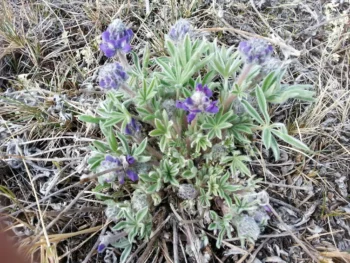
Yukon Lupine: A Hardy Northern Beauty for Cold Climate Gardens
If you’re gardening in the far north and looking for a stunning perennial that can handle your toughest winters, meet the Yukon lupine (Lupinus kuschei). This remarkable wildflower brings classic lupine charm to gardens in some of the coldest regions on Earth, making it a true treasure for northern gardeners.
What is Yukon Lupine?
Yukon lupine is a hardy perennial forb native to the subarctic regions of northwestern North America. Unlike its more common southern cousins, this lupine has evolved to thrive in extremely cold conditions, making it perfect for gardeners in Alaska, northern Canada, and similar climates. As a member of the pea family, it produces the characteristic tall spikes of purple-blue flowers that lupines are famous for, along with attractive palmate leaves.
Where Does It Grow Naturally?
This cold-loving lupine calls Alaska, Yukon Territory, and northern British Columbia home. It’s perfectly adapted to the short growing seasons and harsh winters of these northern regions, thriving in areas where many other perennials simply can’t survive.
- Species observed
- No observations
Why Consider Yukon Lupine for Your Garden?
There are several compelling reasons to add this northern beauty to your landscape:
- Extreme cold hardiness: Survives in USDA zones 1-4, perfect for the coldest gardens
- Pollinator magnet: Attracts bees, butterflies, and other beneficial insects
- Low maintenance: Once established, requires minimal care
- Native plant benefits: Supports local ecosystems and wildlife
- Stunning flowers: Classic lupine flower spikes add vertical interest and color
Important Conservation Note
Before you rush to plant Yukon lupine, there’s something important to know. This species has a conservation status of S3S4, indicating it may be somewhat uncommon in parts of its range. If you’re interested in growing this lupine, make sure to source seeds or plants from reputable native plant suppliers who practice responsible collection methods. Never collect from wild populations.
Growing Conditions and Care
Yukon lupine is surprisingly easy to grow if you can provide the right conditions:
Sunlight and Soil
- Prefers full sun to partial shade
- Needs well-draining soil (lupines hate wet feet)
- Adapts to various soil types but prefers slightly acidic conditions
Planting Tips
- Direct seeding works best – lupines don’t love transplanting
- Scarify seeds lightly before planting to improve germination
- Plant in fall for spring germination, or start indoors in late winter
- Space plants about 12-18 inches apart
Ongoing Care
- Water moderately during establishment, then let nature take over
- Deadhead spent flowers to encourage more blooms
- Allow some seed pods to mature if you want self-seeding
- Mulch lightly for winter protection in exposed areas
Perfect Garden Companions
Yukon lupine fits beautifully into cold climate wildflower gardens, naturalized areas, and perennial borders designed for northern conditions. Consider pairing it with other cold-hardy natives like arctic poppy, fireweed, or northern goldenrod for a stunning display that supports local wildlife.
The Bottom Line
If you garden in the far north, Yukon lupine offers a rare opportunity to grow a truly special native plant that most gardeners will never have the chance to cultivate. Its extreme cold hardiness, pollinator appeal, and classic lupine beauty make it worth seeking out from responsible sources. Just remember to source your plants or seeds ethically, and you’ll be rewarded with a unique addition to your northern garden that connects you to the wild landscapes of the subarctic.