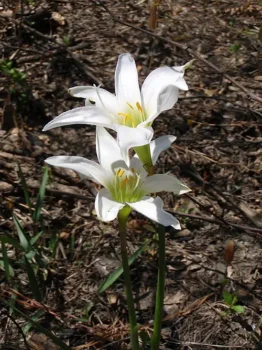
Zephyrlily: A Delightful Native Bulb for Southeastern Gardens
If you’re looking for a charming native bulb that brings surprise and delight to your garden, meet the zephyrlily (Zephyranthes treatiae). This lovely little perennial has earned its place in southeastern gardens with its enchanting habit of popping up with pristine white blooms right after summer rains – like magic!
What Makes Zephyrlily Special
The zephyrlily is a true southeastern native, calling Alabama, Florida, Georgia, and Louisiana home. As a perennial forb, it lacks woody stems but returns year after year from underground bulbs. Don’t let its delicate appearance fool you – this little beauty is perfectly adapted to the climate and conditions of the southeastern United States.
- Species observed
- No observations
You might also see this plant listed under its botanical synonyms Atamosco treatiae or as a variety of Zephyranthes atamasca, but regardless of the name, you’re getting the same wonderful native bulb.
Garden Appeal and Landscape Role
What sets zephyrlily apart is its dramatic timing. The narrow, grass-like foliage blends quietly into the landscape until – surprise! – white to pale pink funnel-shaped flowers emerge seemingly overnight after rainfall. This rain lily behavior makes it a conversation starter and adds an element of anticipation to your garden.
Zephyrlily works beautifully in:
- Native plant gardens
- Rain gardens and bioswales
- Woodland edges
- Naturalized areas
- Mixed perennial borders
Growing Conditions and Care
One of the best things about zephyrlily is how well-suited it is to southeastern growing conditions. As a facultative wetland plant, it thrives in areas that stay moist but can also handle drier periods. This adaptability makes it perfect for those tricky spots in your landscape that might flood during heavy rains but dry out between storms.
For best results, provide:
- Moist to wet soils (though it tolerates some drying)
- Partial shade to full sun
- USDA hardiness zones 8-10
- Areas that experience seasonal moisture variation
Planting and Maintenance
Getting started with zephyrlily is refreshingly simple. Plant bulbs in fall, spacing them about 4-6 inches apart and 2-3 inches deep. Once established, these low-maintenance natives require minimal fussing – they’ve been thriving in southeastern conditions long before we arrived on the scene!
The narrow foliage may go dormant during dry spells, but don’t worry – your bulbs are just waiting for the next good rain to put on their show again.
Wildlife and Pollinator Benefits
While zephyrlily flowers are relatively small, they provide nectar for various small pollinators including native bees and butterflies. The timing of their blooms – often during late summer when other flowers may be scarce – makes them particularly valuable to local wildlife.
Why Choose Zephyrlily?
Choosing zephyrlily means selecting a plant that’s perfectly at home in your southeastern garden. You’re not fighting against nature – you’re working with it. This native bulb offers:
- Low maintenance once established
- Adaptation to local climate patterns
- Support for native pollinators
- Unique seasonal interest with post-rain blooms
- Natural fit for rain garden and wetland plantings
While zephyrlily might not be the showiest plant in your garden, it brings something special – a deep connection to place and the delightful surprise of flowers that respond to the rhythm of southeastern weather. For gardeners who appreciate subtle beauty and want to support local ecosystems, zephyrlily is a perfect choice.