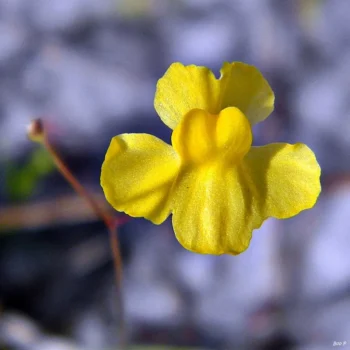
Zigzag Bladderwort: A Tiny Native Wetland Wonder
Meet the zigzag bladderwort (Utricularia subulata), one of nature’s most fascinating and specialized native plants. Don’t let the unusual name fool you – this delicate little carnivorous plant might just be the perfect addition to your wetland garden, though it’s definitely not your typical backyard flower!
What Makes Zigzag Bladderwort Special
This charming native forb belongs to the bladderwort family, and true to its name, it’s actually a carnivorous plant! While you might know it as zigzag bladderwort, botanists sometimes reference it by its former names like Setiscapella subulata or Utricularia cleistogama. As a native species, it can be either annual or perennial depending on growing conditions, making it a flexible addition to the right garden setting.
Where You’ll Find It Growing Wild
Zigzag bladderwort has an impressive native range across North America. You can find this wetland specialist growing naturally from Nova Scotia down to Florida, and from the Atlantic coast west to Texas and even California. It also calls Puerto Rico home, thriving in states including Alabama, Arkansas, Delaware, Georgia, Louisiana, Maryland, Massachusetts, Michigan, Mississippi, New Jersey, New York, North Carolina, Pennsylvania, South Carolina, Tennessee, Virginia, and many others.
- Species observed
- No observations
Important Conservation Note: In Arkansas, zigzag bladderwort has a rarity status of S2, meaning it’s considered imperiled in that state. If you’re gardening in Arkansas or sourcing plants from there, please ensure you’re working with responsibly sourced material and consider supporting local conservation efforts.
Garden Role and Aesthetic Appeal
While zigzag bladderwort won’t be the showstopper in your typical perennial border, it brings unique charm to specialized garden settings. This delicate forb produces small, bright yellow flowers on thin, wiry stems that seem to dance above the water surface. The blooms are tiny but cheerful, and the overall effect is quite ethereal in the right setting.
This plant truly shines in:
- Bog gardens and wetland areas
- Rain gardens with consistent moisture
- Pond margins and water feature edges
- Native wetland restoration projects
- Specialized carnivorous plant collections
Growing Conditions: Not Your Average Garden Plant
Here’s where zigzag bladderwort gets interesting (and challenging). This plant is classified as Obligate Wetland across every region of North America where it grows, meaning it almost always needs wetland conditions to survive. We’re talking constantly saturated soils – think bog-like conditions rather than your typical moist garden bed.
Key growing requirements include:
- Moisture: Constantly wet to saturated soils
- Light: Full sun to partial shade
- Soil: Acidic, nutrient-poor conditions (like natural bogs)
- Hardiness: Suitable for USDA zones 4-10 based on its native range
Should You Plant Zigzag Bladderwort?
The honest answer? Only if you have the right conditions or are willing to create them. This isn’t a plant you can simply pop into a regular garden bed and expect to thrive. However, if you:
- Have naturally wet areas on your property
- Are creating a bog garden or rain garden
- Want to support native wetland ecosystems
- Are fascinated by carnivorous plants
- Are working on wetland restoration
Then zigzag bladderwort could be a wonderful addition to your landscape!
Wildlife and Pollinator Benefits
As a native wetland plant, zigzag bladderwort plays an important role in its ecosystem. While specific pollinator information is limited, its small flowers likely attract tiny native pollinators. More importantly, it contributes to the overall health of wetland habitats that support countless wildlife species, from amphibians to waterfowl.
Planting and Care Tips
Successfully growing zigzag bladderwort requires recreating its natural wetland habitat:
- Source responsibly: Especially important in Arkansas due to its rarity status
- Create bog conditions: Use a liner system or naturally wet area
- Use appropriate soil mix: Peat moss and sand mixture, low in nutrients
- Maintain water levels: Keep soil constantly saturated
- Be patient: This plant establishes slowly and may not bloom the first year
The Bottom Line
Zigzag bladderwort isn’t for every gardener or every garden, but it’s a fascinating native plant that deserves consideration if you’re working with wetland conditions. It’s a conversation starter, a ecological contributor, and a delightful example of nature’s ingenuity. Just remember to source it responsibly, especially if you’re in Arkansas, and be prepared to provide the specialized conditions it needs to thrive.
While it may not be the easiest native plant to grow, zigzag bladderwort rewards the dedicated wetland gardener with its unique beauty and ecological value. Sometimes the most specialized plants make the most rewarding garden additions!