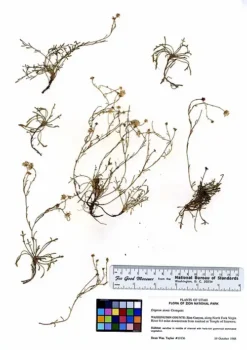
Zion Fleabane: A Rare Gem for the Dedicated Native Plant Enthusiast
If you’re looking for a plant that’s truly special and utterly unique to American landscapes, let me introduce you to Zion fleabane (Erigeron sionis). This little-known perennial is one of those botanical treasures that makes native plant enthusiasts weak in the knees – and for good reason!
What Makes Zion Fleabane So Special?
Zion fleabane is a native perennial forb that belongs to the sunflower family. As a forb, it’s an herbaceous plant without significant woody tissue, meaning it dies back to the ground each winter and returns fresh each spring. What makes this plant absolutely fascinating is just how rare and geographically specific it is.
Where Does It Call Home?
Here’s where things get really interesting – Zion fleabane is endemic to Utah, making it one of the state’s botanical treasures. This plant has chosen some pretty spectacular real estate, being closely associated with the Zion National Park region.
- Species observed
- No observations
A Word of Caution: Rarity Matters
Before you get too excited about adding this beauty to your garden, there’s something important you need to know. Zion fleabane has a Global Conservation Status of S2S3, which means it’s considered rare to uncommon in the wild. This isn’t a plant you can casually order from your local nursery or collect from the wild.
If you’re determined to grow Zion fleabane, please only source it from reputable native plant nurseries that propagate it responsibly. Wild collection of rare plants can harm already vulnerable populations.
Why Would You Want to Grow It?
Despite its rarity (or perhaps because of it), there are compelling reasons why dedicated native gardeners might want to cultivate Zion fleabane:
- Conservation value: Growing rare natives helps preserve genetic diversity
- Unique garden feature: Few gardeners can claim they’re growing a plant endemic to Utah
- Pollinator support: Like other fleabanes, it likely provides nectar for native bees and butterflies
- Low maintenance: Once established, it should require minimal care
Creating the Right Conditions
Since Zion fleabane comes from Utah’s arid landscapes, you’ll want to recreate those conditions in your garden. Think rocky, well-draining soil and plenty of sunshine. This isn’t a plant for your typical suburban flower bed – it’s more suited for:
- Rock gardens
- Native plant conservation collections
- Xeriscaped landscapes
- Specialized native plant displays
Growing Tips for Success
Growing a rare endemic requires some special attention to detail:
- Drainage is king: Ensure excellent drainage – soggy roots will spell disaster
- Go easy on water: This plant evolved in arid conditions, so resist the urge to overwater
- Full sun preferred: Give it the bright conditions it’s used to in its native Utah habitat
- Minimal fertilization: Rich soils may actually harm this adapted-to-poor-soils species
The Bottom Line
Zion fleabane isn’t for everyone – and that’s okay! This rare perennial is really meant for serious native plant enthusiasts who understand the responsibility that comes with growing rare species. If you’re passionate about plant conservation and have experience with challenging natives, it could be a meaningful addition to your collection.
Just remember: with great rarity comes great responsibility. Only source this plant ethically, and consider your garden a small but important conservation effort for one of Utah’s botanical treasures.