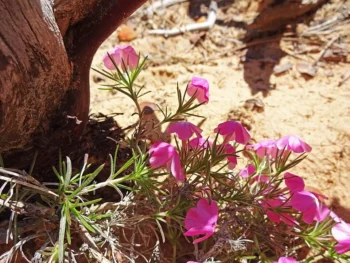
Zion Phlox: A Rare Gem for Rock Garden Enthusiasts
If you’re searching for a truly special native plant to add sparkle to your rock garden, look no further than Zion phlox (Phlox jonesii). This diminutive perennial might be small in stature, but it’s big on charm and packed with vibrant color that’ll make your garden visitors do a double-take.
What Makes Zion Phlox Special?
Zion phlox is a rare native treasure that calls Utah home, specifically thriving in the dramatic landscapes around Zion National Park. As a perennial forb (that’s garden-speak for a non-woody flowering plant), this little beauty forms compact cushions that burst into brilliant pink to purple blooms each spring.
You might also see this plant listed under its synonym Phlox austromontana var. jonesii, but don’t let the fancy names fool you – this is one tough little cookie that’s perfectly adapted to harsh, rocky conditions.
Where Does It Grow Naturally?
This endemic species is found exclusively in Utah, making it a true regional specialty. Its natural habitat consists of rocky slopes, sandy washes, and well-drained areas where many other plants would struggle to survive.
- Species observed
- No observations
A Word of Caution: Rarity Matters
Here’s something important you need to know: Zion phlox has a conservation status of S2S3Q, which means it’s considered uncommon to rare in the wild. If you’re thinking about adding this beauty to your garden, please – and we cannot stress this enough – only purchase from reputable nurseries that propagate their plants responsibly. Never collect from wild populations, as this could harm already vulnerable communities of this special plant.
Garden Appeal and Design Role
Despite its rarity, Zion phlox makes an exceptional garden plant for the right situation. This compact perennial forms neat, low cushions that work beautifully as:
- Accent plants in rock gardens
- Specimens in alpine garden collections
- Colorful additions to xeriscape designs
- Special features in native Utah plant gardens
The bright flowers create stunning seasonal color against rocky backdrops, and the plant’s naturally tidy growth habit means it won’t overwhelm neighboring plants.
Pollinator and Wildlife Benefits
Don’t let its small size fool you – Zion phlox is a pollinator magnet! The tubular flowers are perfectly designed to attract butterflies, moths, and native bees. By growing this plant, you’re providing crucial nectar sources for pollinators while supporting biodiversity in your garden.
Growing Conditions
Zion phlox thrives in USDA hardiness zones 4-8, making it suitable for a wide range of climates. However, success depends on mimicking its natural habitat:
- Soil: Well-drained sandy or rocky soil is essential – this plant absolutely hates wet feet
- Sun exposure: Full sun is preferred
- Water: Drought-tolerant once established; overwatering is the kiss of death
- Fertility: Poor to moderate soil fertility is perfect – rich soils can cause problems
Planting and Care Tips
Getting Zion phlox established requires attention to detail, but it’s worth the effort:
- Timing: Plant in spring after frost danger has passed
- Drainage: If your soil doesn’t drain well naturally, create raised beds or add coarse sand and gravel
- Mulching: Skip the wood chips – use gravel mulch instead to maintain good drainage
- Watering: Water sparingly, only during extended dry periods in the first year
- Maintenance: Minimal pruning needed – just remove spent flowers if desired
Is Zion Phlox Right for Your Garden?
This remarkable plant is perfect for gardeners who love a challenge and want to grow something truly special. It’s ideal if you have well-drained soil and appreciate subtle beauty over flashy displays. However, it’s not the best choice for traditional flower borders, rain gardens, or areas with heavy clay soil.
Remember, by choosing to grow Zion phlox from responsibly sourced plants, you’re not just adding beauty to your garden – you’re also supporting conservation efforts and helping ensure this rare native species continues to thrive for future generations to enjoy.
So if you’re ready to try something unique and you have the right growing conditions, Zion phlox might just become your new favorite rock garden superstar!