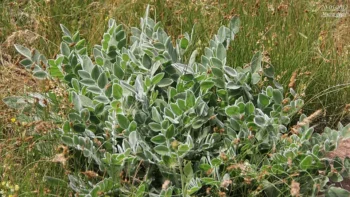
Zuni Milkvetch: A Rare Southwestern Native Worth Protecting
Meet the Zuni milkvetch (Astragalus accumbens), a charming little native plant that’s as rare as it is resilient. This low-growing perennial shrub might not be the showiest plant in your garden, but it carries an important story of southwestern ecology and conservation that makes it truly special.
What Makes Zuni Milkvetch Special
Zuni milkvetch is a compact, drought-loving native that rarely grows taller than 18 inches, making it perfect for tucking into rock gardens or using as a ground cover. In spring, it produces clusters of small, cream-colored flowers that look like tiny sweet peas—because, botanically speaking, they’re cousins! The silvery-green compound leaves add subtle texture to the landscape year-round.
Where It Calls Home
This tough little plant is native to the southwestern United States, with its primary home in New Mexico. It’s perfectly adapted to the challenging conditions of the high desert, where it has evolved to thrive in sandy, well-draining soils and withstand both scorching summers and frigid winters.
- Species observed
- No observations
A Word of Caution: Rarity Matters
Here’s where things get serious: Zuni milkvetch has a Global Conservation Status of S3, meaning it’s considered vulnerable. With typically only 21 to 100 occurrences and between 3,000 to 10,000 individuals in the wild, this plant is at risk. If you’re interested in growing it, please only purchase from reputable native plant nurseries that use ethically sourced, nursery-propagated plants—never collect from the wild.
Why Grow Zuni Milkvetch?
Despite its rarity (or perhaps because of it), there are compelling reasons to include this plant in your garden:
- Supports native pollinators, especially native bees
- Requires virtually no water once established
- Adds authentic southwestern character to xeriscape gardens
- Helps preserve a vulnerable native species
- Provides year-round structure with its low, shrubby form
Perfect Garden Companions
Zuni milkvetch shines in native plant gardens, xeriscape designs, and desert-themed landscapes. It pairs beautifully with other southwestern natives and works well as a living mulch around taller plants. Consider it for rock gardens, slope stabilization, or as part of a pollinator-friendly native plant collection.
Growing Conditions and Care
Think desert tough and you’ll understand this plant’s needs:
- Sunlight: Full sun is essential
- Soil: Well-draining, sandy or gravelly soil; will rot in heavy, wet conditions
- Water: Drought tolerant once established; water sparingly
- Hardiness: USDA zones 4-8
- Maintenance: Virtually maintenance-free once happy
Planting and Care Tips
Successfully growing Zuni milkvetch is all about understanding its desert origins:
- Plant in spring after the last frost
- Ensure excellent drainage—consider raised beds or rocky slopes
- Water gently during the first year to help establishment
- Avoid fertilizers; this plant prefers lean soils
- Be patient—like many desert plants, it may take time to establish
- Once established, it develops a deep taproot, making transplanting difficult
The Bottom Line
Zuni milkvetch isn’t for every gardener or every garden, but for those committed to native plant conservation and authentic southwestern landscaping, it’s a meaningful addition. Its small stature and specific needs make it best suited for dedicated native plant enthusiasts who can provide the well-draining conditions it craves.
Remember, by choosing to grow this vulnerable species responsibly, you’re not just adding a unique plant to your garden—you’re participating in conservation efforts to protect a piece of our natural heritage. Just make sure you’re getting your plants from ethical sources that propagate rather than wild-collect this precious native.