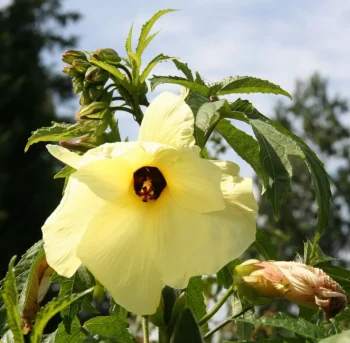
Abelmoschus manihot: A Tropical Beauty for Warm Climate Gardens
If you’re looking to add some serious tropical flair to your warm-climate garden, Abelmoschus manihot might just catch your eye. This stunning flowering plant, also known by its botanical synonym Hibiscus manihot, brings bold yellow blooms and lush foliage to gardens in the warmest regions.
What Is Abelmoschus manihot?
Abelmoschus manihot is a non-native flowering plant that has made itself at home in parts of the Pacific Basin, particularly in Guam and Palau. Originally from tropical Asia, this plant has adapted well to warm island climates where it now reproduces naturally without human intervention.
While it shares the hibiscus family charm, this plant stands out with its distinctive palmate leaves and show-stopping yellow flowers adorned with dark, contrasting centers. It’s the kind of plant that makes visitors stop and ask, What is that gorgeous thing?
- Species observed
- No observations
Garden Appeal and Landscape Role
The real star quality of Abelmoschus manihot lies in its dramatic flowers. These large, hibiscus-like blooms create stunning focal points in tropical and subtropical gardens. The plant works beautifully as:
- A specimen plant in mixed tropical borders
- An accent piece near patios or entertaining areas
- Part of a pollinator-friendly garden design
- A colorful addition to warm-climate landscape schemes
Pollinator and Wildlife Benefits
Those big, cheerful yellow flowers aren’t just pretty to look at—they’re also magnets for pollinators. Bees, butterflies, and other beneficial insects are drawn to the nectar-rich blooms, making this plant a valuable addition to any pollinator garden in suitable climates.
Growing Conditions and Care
If you live in USDA hardiness zones 9-11, you’re in luck! Abelmoschus manihot thrives in these warm regions and is surprisingly easy to please:
- Sunlight: Full sun to partial shade (though more sun means more blooms)
- Soil: Well-draining soil that doesn’t stay soggy
- Water: Consistent moisture, but not waterlogged conditions
- Temperature: Frost-tender, so protection needed if temperatures dip
Planting and Care Tips
Growing Abelmoschus manihot successfully is pretty straightforward if you can provide the right conditions:
- Plant in spring after the last frost danger has passed
- Space plants adequately to allow for good air circulation
- Water regularly during dry spells, especially in summer
- Feed occasionally with a balanced fertilizer during the growing season
- Deadhead spent flowers to encourage continued blooming
- In cooler zones, consider container growing so you can protect plants in winter
Should You Plant It?
While Abelmoschus manihot can certainly add tropical beauty to appropriate gardens, it’s worth considering that this is a non-native species. If you’re passionate about supporting local ecosystems, you might want to explore native alternatives that provide similar aesthetic appeal while supporting local wildlife.
That said, if you live in zones 9-11 and are drawn to its stunning flowers and easy-care nature, this plant can be a lovely addition to your garden palette. Just be mindful of its growing requirements and your local gardening goals.
Whether you choose to grow Abelmoschus manihot or seek out native alternatives, the key is creating a garden space that brings you joy while being thoughtful about your local environment. Happy gardening!