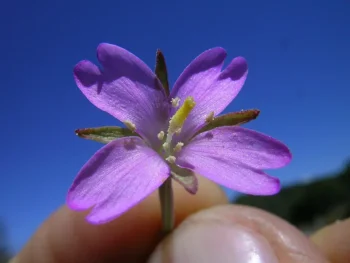
Aboriginal Willowherb: A Little-Known Perennial for Hawaiian Gardens
If you’ve stumbled across the name aboriginal willowherb in your gardening research, you might be wondering what exactly this plant is and whether it belongs in your Hawaiian garden. Let’s dive into what we know about this somewhat mysterious member of the willowherb family.
What is Aboriginal Willowherb?
Aboriginal willowherb (Epilobium billardierianum) is a perennial forb that has made its way to Hawaii, though it’s not originally from the islands. As a forb, it’s essentially a soft-stemmed plant without the woody growth you’d see in shrubs or trees. Think of it as a herbaceous perennial that comes back year after year, but stays relatively low and non-woody.
Where You’ll Find It
Currently, this plant has established itself in Hawaii, where it reproduces on its own in the wild. It’s what botanists call naturalized – meaning it’s settled in and made itself at home without human help.
- Species observed
- No observations
Garden Characteristics
Based on its classification and what we know about related willowherbs, aboriginal willowherb likely produces small, delicate flowers typical of the Epilobium family. These plants are generally known for their:
- Modest height and spreading growth habit
- Small pink or purple flowers
- Ability to attract small pollinators like bees and butterflies
- Tolerance for varying moisture conditions
Growing Conditions and Care
One interesting aspect of aboriginal willowherb is its wetland status – it’s classified as facultative upland, which is a fancy way of saying it’s pretty flexible about moisture. You’ll usually find it in drier spots, but it can handle some wetness too. This adaptability could make it useful in gardens with varying moisture levels.
Should You Plant It?
Here’s where things get interesting. While aboriginal willowherb isn’t considered invasive or problematic, it’s also not native to Hawaii. For gardeners passionate about supporting local ecosystems, you might want to consider native Hawaiian alternatives first.
If you’re drawn to the idea of a low-growing perennial that can handle various moisture conditions, consider exploring native Hawaiian plants that might fill a similar niche in your garden design.
The Bottom Line
Aboriginal willowherb represents one of those in-between plants – not problematic enough to avoid entirely, but not native enough to be a first choice for ecosystem-conscious gardeners. If you do encounter it in the wild or choose to grow it, you’ll likely find it to be an undemanding perennial that quietly does its thing without much fuss.
As with any gardening decision, consider your specific goals, site conditions, and whether native alternatives might better serve both your garden and Hawaii’s unique ecosystem.