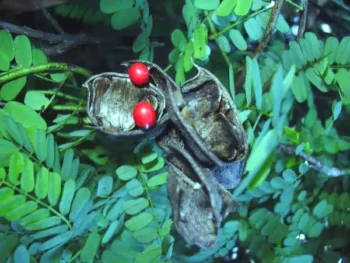
Abrus: The Beautiful but Problematic Climbing Vine
If you’ve stumbled across the name abrus in your gardening adventures, you’ve encountered a plant genus that’s equal parts fascinating and concerning. While these twining vines can add tropical flair to warm-climate gardens, there are some important considerations before you decide whether to invite them into your landscape.
What Exactly Is Abrus?
Abrus is a perennial climbing vine that knows how to make itself at home. This twining plant features relatively long stems that can be either woody or herbaceous, depending on the growing conditions and age of the plant. Don’t let its delicate appearance fool you – this vine has quite the personality and some serious staying power.
Where You’ll Find Abrus Growing
Originally from tropical regions of India and Southeast Asia, abrus has become a well-traveled plant. In the United States, you’ll find it established in warm southern states including Alabama, Arkansas, Florida, and Georgia. It’s also made itself comfortable in Hawaii, Puerto Rico, the U.S. Virgin Islands, and Palau. The plant is considered non-native in all of these locations, having been introduced and now reproducing spontaneously in the wild.
- Species observed
- No observations
The Appeal (And the Concerns)
There’s no denying that abrus has visual appeal. The vine produces delicate, compound leaves and small orange-red flowers that can add tropical charm to any garden. But here’s where things get complicated – this plant comes with some serious baggage that every gardener should know about.
As a non-native species that reproduces freely in the wild, abrus can potentially disrupt local ecosystems. While we don’t have specific invasive status data for all regions, many Abrus species are known to be aggressive spreaders that can outcompete native plants.
Growing Conditions and Care
If you’re in USDA hardiness zones 9-11 and considering growing abrus, here’s what it needs to thrive:
- Warm, humid climate conditions
- Well-draining soil (it’s not particularly picky about soil type)
- Full sun to partial shade
- A sturdy support structure for climbing
- Regular watering during establishment, though it becomes drought tolerant
This vine is remarkably easy to grow – perhaps too easy. It readily self-seeds and can quickly spread beyond where you originally planted it.
Should You Plant Abrus?
Here’s our honest take: while abrus might catch your eye with its tropical appearance, there are compelling reasons to look elsewhere for your climbing vine needs. As a non-native species with the potential for aggressive spread, it’s worth considering the impact on your local ecosystem.
Instead, why not explore native alternatives that can give you similar climbing vine appeal while supporting local wildlife? Depending on your region, native options might include:
- Native honeysuckles
- Native morning glories
- Virginia creeper
- Native clematis varieties
The Bottom Line
While abrus is undeniably hardy and can add tropical flair to warm-climate gardens, its non-native status and potential for aggressive spread make it a questionable choice for environmentally conscious gardeners. If you’re drawn to climbing vines, consider exploring native alternatives that will provide similar visual appeal while supporting your local ecosystem. Your garden – and your local wildlife – will thank you for it.
Remember, the best gardens work in harmony with their natural surroundings. Sometimes the most beautiful choice is the one that fits naturally into the local landscape.