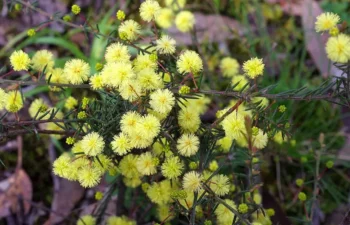
Acacia aculeatissima: A Lesser-Known Member of the Acacia Family
If you’ve stumbled across the name Acacia aculeatissima in your plant research, you’re looking at one of the more mysterious members of the vast Acacia genus. While the Acacia family boasts hundreds of well-documented species beloved by gardeners worldwide, this particular species remains somewhat elusive in terms of detailed horticultural information.
What We Know About This Acacia
Acacia aculeatissima belongs to the diverse world of Australian acacias, though specific details about its native range and distribution remain unclear in current botanical literature. The name itself suggests it may have particularly pronounced spines or thorns (aculeatissima meaning very spiny), which would be consistent with many defensive adaptations found in arid-climate acacias.
The Challenge of Growing Lesser-Known Species
Here’s where things get tricky for the eager gardener. With limited documented information about Acacia aculeatissima’s specific growing requirements, hardiness zones, and cultivation needs, growing this plant becomes more of an adventure than a sure bet. Unlike its well-known cousins such as Acacia dealbata (Silver Wattle) or Acacia baileyana (Golden Mimosa), you won’t find detailed care sheets or abundant growing advice for this species.
Should You Plant It?
Given the lack of specific horticultural information, most gardeners would be better served by choosing well-documented native alternatives. If you’re in a region where acacias naturally occur, consider these better-known options:
- Local native Acacia species with established cultivation information
- Well-documented ornamental acacias suited to your climate zone
- Native shrubs and small trees with similar ecological roles
If You’re Determined to Try
Should you have access to Acacia aculeatissima seeds or plants from a reputable source, approach cultivation with the general Acacia playbook in mind:
- Most acacias prefer well-draining soils
- Many tolerate drought once established
- Full sun is typically preferred
- Scarification may be needed for seed germination
However, proceed with caution and consider this an experimental planting rather than a landscape staple.
The Bigger Picture
The limited information available about Acacia aculeatissima highlights an important point about native plant gardening: not every species in nature makes a good garden plant. Some plants are rare, some are difficult to cultivate, and others simply haven’t been studied enough for safe recommendation to home gardeners.
For the most rewarding native gardening experience, focus on well-documented native species in your area. Your local native plant society, extension office, or botanical garden can point you toward native acacias and similar plants that will thrive in your specific conditions while supporting local wildlife.
Sometimes the most responsible thing a plant lover can do is admire a species from afar and choose better-known alternatives for the home landscape. Your garden—and the broader ecosystem—will thank you for it.