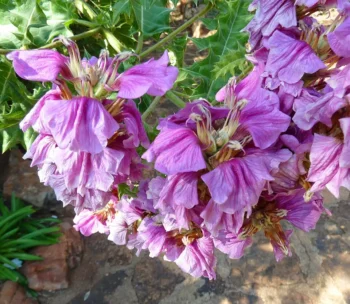
Acanthus polystachyus: A Mysterious Member of the Bear’s Breeches Family
If you’ve stumbled across the name Acanthus polystachyus in your plant research, you might be scratching your head wondering exactly what you’re looking at. Don’t worry – you’re not alone! This particular species is something of an enigma in the gardening world, and there’s a good reason why information about it seems scarce.
What We Know (And Don’t Know)
Acanthus polystachyus belongs to the Acanthus genus, which is famous for its dramatic, architectural foliage and impressive flower spikes. However, this specific species appears to be either extremely rare, poorly documented, or potentially represents an outdated or regional botanical name that hasn’t made it into mainstream horticultural literature.
The geographical distribution of this species remains unknown, making it impossible to determine its native range or provide specific growing recommendations.
The Challenge of Rare or Undocumented Species
When encountering plant names like Acanthus polystachyus with limited available information, it’s important to approach with caution. Here’s why:
- Proper identification becomes crucial for successful cultivation
- Growing requirements remain unclear without documented experience
- Conservation status is unknown
- Potential invasiveness cannot be assessed
What Should Gardeners Do?
If you’re interested in growing what you believe to be Acanthus polystachyus, here are some practical steps:
- Consult with botanical experts or your local extension office for proper identification
- Consider well-documented Acanthus species as alternatives
- If you have access to this plant, document its characteristics and growing habits
- Share information with botanical databases to help expand knowledge
Popular Acanthus Alternatives
While we wait for more information about Acanthus polystachyus, consider these well-established members of the genus:
- Acanthus mollis (Bear’s Breeches) – widely available and well-documented
- Acanthus spinosus (Spiny Bear’s Breeches) – drought-tolerant with striking foliage
- Acanthus hungaricus – compact variety perfect for smaller gardens
The Bottom Line
Acanthus polystachyus remains a botanical mystery that highlights the importance of proper plant identification and documentation in gardening. While the allure of rare plants is undeniable, sometimes the most rewarding garden experiences come from growing well-understood species that we can cultivate successfully.
If you encounter this species in the wild or in cultivation, consider it an opportunity to contribute to botanical knowledge by documenting its characteristics, habitat, and growing requirements. Who knows? You might help solve the mystery of Acanthus polystachyus for future gardeners!