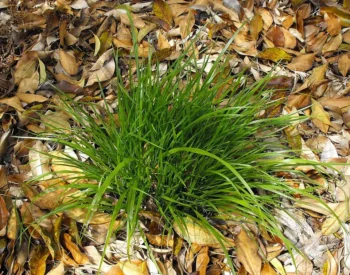
Achnatherum pekinense: A Mystery Grass Worth Investigating
If you’ve stumbled upon the name Achnatherum pekinense while researching native grasses for your garden, you might be scratching your head—and for good reason! This particular species name presents quite the botanical puzzle, as it’s surprisingly elusive in most reputable plant databases and scientific literature.
What We Know (And What We Don’t)
Here’s what we can say with confidence: Achnatherum pekinense belongs to the graminoid family, making it a grass or grass-like plant. The genus Achnatherum includes various needlegrass species that are typically found in temperate regions. However, detailed information about this specific species—including its common names, native range, and growing requirements—remains frustratingly scarce in botanical resources.
The Challenge with Obscure Species Names
Sometimes in the plant world, we encounter species names that may be:
- Regional variants that haven’t been widely studied
- Outdated names that have been reclassified
- Misidentifications or naming errors
- Species with very limited natural distribution
Without reliable information about its native status, invasive potential, or growing requirements, it’s difficult to recommend whether Achnatherum pekinense would be a good fit for your garden.
Better-Documented Alternatives
If you’re interested in adding native needlegrasses to your landscape, consider these well-researched alternatives from the Achnatherum genus:
- Achnatherum hymenoides (Indian ricegrass) – A beautiful native grass with delicate, airy seed heads
- Achnatherum speciosum (Desert needlegrass) – Excellent for xeriscaping and drought-tolerant gardens
- Achnatherum occidentale (Western needlegrass) – Great for naturalized areas and wildlife habitat
What to Do If You Encounter This Plant
If you believe you’ve found Achnatherum pekinense growing wild or have seeds from a reliable source, here are some steps to take:
- Consult with local botanists or extension services for proper identification
- Check with native plant societies in your area for regional expertise
- Consider having the plant professionally identified before cultivation
- Research any local regulations about collecting or growing uncommon species
The Bottom Line
While the mystery of Achnatherum pekinense remains unsolved, this doesn’t mean your quest for the perfect native grass needs to end here. Sometimes the most rewarding garden discoveries come from exploring well-documented species that offer proven benefits to both gardeners and local ecosystems. Stick with native grasses that have clear growing guidelines and known wildlife benefits—your garden (and local pollinators) will thank you!
Remember, successful native gardening is all about choosing plants that are well-suited to your specific region and growing conditions. When in doubt, consult with local native plant experts who can guide you toward the best grass species for your particular corner of the world.