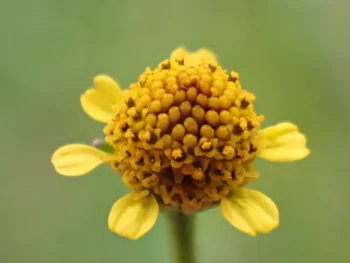
Acmella uliginosa: A Mysterious Native Plant Worth Learning About
If you’ve stumbled upon the name Acmella uliginosa in your botanical wanderings, you’ve discovered one of those intriguing plants that seems to fly under the radar of most gardening circles. This lesser-known member of the sunflower family (Asteraceae) represents the kind of botanical mystery that keeps plant enthusiasts on their toes.
What’s in a Name?
Acmella uliginosa goes by its scientific name primarily, as common names for this species are not well-documented in horticultural literature. You might occasionally encounter it listed under its botanical synonym, Spilanthes uliginosa, which reflects some of the taxonomic shuffling that happens in the plant world as scientists better understand plant relationships.
Where Does It Call Home?
Here’s where things get a bit fuzzy – the specific native range and geographical distribution of Acmella uliginosa isn’t clearly documented in readily available sources. This lack of information often indicates either a very specialized habitat range or a species that hasn’t received much attention from researchers and gardeners alike.
The Challenge of Growing the Unknown
For gardeners who love a good plant mystery, Acmella uliginosa presents an interesting conundrum. With limited information available about its:
- Preferred growing conditions
- USDA hardiness zones
- Mature size and growth habit
- Specific care requirements
- Propagation methods
This plant falls into that category of species that might be better left to botanical gardens, specialized researchers, or very experienced native plant enthusiasts who enjoy experimenting with lesser-known species.
Should You Plant It?
Given the limited information available about Acmella uliginosa, most home gardeners would be better served choosing well-documented native plants for their landscapes. Without clear data on its growth habits, environmental needs, or potential impacts, it’s difficult to recommend this species for typical garden settings.
If you’re determined to explore this botanical enigma, consider these alternatives:
- Contact local botanical gardens or native plant societies for guidance
- Look into well-documented Acmella species if you’re interested in the genus
- Choose proven native alternatives that provide similar ecological benefits
The Bigger Picture
Acmella uliginosa serves as a reminder that our botanical world still holds many mysteries. While we can’t provide a complete growing guide for this elusive species, its existence highlights the incredible diversity within plant families and the ongoing work needed to document and understand our native flora.
For now, this plant remains more of a botanical curiosity than a garden center staple – and perhaps that’s exactly where it belongs until we know more about its story.