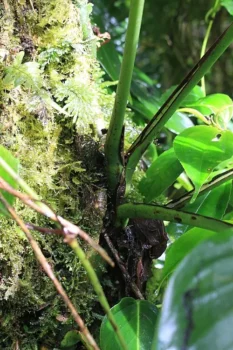
Adanson’s Monstera: The Fenestrated Beauty That’s Taking Over Instagram
If you’ve been scrolling through plant social media lately, you’ve probably spotted those gorgeous, hole-filled leaves that look like Swiss cheese had a baby with a tropical paradise. Meet Adanson’s monstera (Monstera adansonii), the climbing vine that’s become the darling of indoor plant enthusiasts everywhere.
What Makes This Plant Special?
Also known by its synonym Monstera pertusa, this stunning climber is famous for its fenestrated leaves – that’s fancy plant talk for leaves with natural holes. These perforations aren’t damage; they’re Mother Nature’s own artistic touch that helps the plant withstand strong winds in its native habitat.
Where Does It Come From?
Originally hailing from Central and South America, Adanson’s monstera has made itself at home in various tropical locations. In the United States, it’s established populations in Puerto Rico, where it reproduces spontaneously in the wild and tends to persist without human intervention.
- Species observed
- No observations
Should You Grow Adanson’s Monstera?
Here’s the honest truth: while this plant is absolutely gorgeous and relatively easy to care for, it’s not native to most of the United States. If you’re passionate about supporting local ecosystems, you might want to consider native climbing alternatives first. However, if you’re looking for a stunning indoor houseplant or have a tropical garden in zones 10-12, Monstera adansonii can be a fantastic choice when grown responsibly.
What Does It Look Like?
This climbing vine is all about those Instagram-worthy leaves. The fenestrations start small on young plants and become more dramatic as the plant matures. The leaves are typically bright green, glossy, and can reach impressive sizes when given proper climbing support. Unlike its cousin Monstera deliciosa, the holes in M. adansonii are fully enclosed rather than extending to the leaf edges.
Perfect Growing Conditions
Think tropical rainforest, and you’ll nail the growing conditions for this beauty:
- Bright, indirect light (direct sun will scorch those precious leaves)
- High humidity – aim for 60% or higher
- Well-draining potting mix that stays slightly moist
- Warm temperatures between 65-80°F
- A moss pole, trellis, or other climbing support
Planting and Care Tips
Ready to become a monstera parent? Here’s your care cheat sheet:
- Water when the top inch of soil feels dry
- Provide a moss pole or trellis for climbing support
- Feed monthly with liquid fertilizer during spring and summer
- Increase humidity with a pebble tray or humidifier
- Prune to maintain size and shape
- Repot every 1-2 years or when rootbound
Garden Design Role
Indoors, Adanson’s monstera makes a stunning statement piece when allowed to climb up a moss pole or trail from a hanging basket. In tropical outdoor gardens (USDA zones 10-12), it can serve as living wall coverage or an exotic understory plant beneath taller specimens.
The Wildlife Factor
Let’s be real – this plant isn’t going to attract native pollinators or provide significant wildlife benefits in most North American gardens. The flowers are pretty inconspicuous, and the plant primarily relies on wind for pollination. If supporting local wildlife is your priority, consider native climbing plants like American groundnut (Apios americana) or native honeysuckles instead.
Bottom Line
Monstera adansonii is undeniably beautiful and makes an excellent houseplant for those who can provide the right conditions. While it’s not native to most of the United States, it’s not considered invasive either – just remember to keep it contained and dispose of plant material responsibly. Whether you’re a seasoned plant parent or just starting your green thumb journey, this fenestrated beauty might just be the tropical touch your space needs.