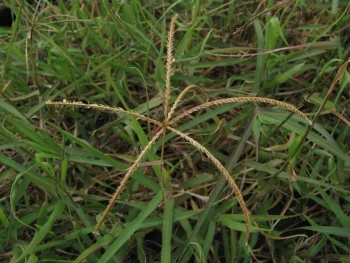
African Bermudagrass: A Hardy Ground Cover for Warm Climates
Looking for a tough, low-maintenance grass that can handle heat and drought? African Bermudagrass (Cynodon nlemfuensis) might catch your eye. This perennial grass has made itself at home in several warm U.S. regions, though it’s not originally from around here.
What Exactly is African Bermudagrass?
African Bermudagrass is a hardy perennial grass that forms dense, spreading mats. As its common name suggests, this grass originally hails from Africa, but it has established itself in Hawaii, Texas, and Puerto Rico. It’s part of the graminoid family, which includes grasses, sedges, and similar grass-like plants.
Where You’ll Find It Growing
Currently, African Bermudagrass grows in Hawaii, Texas, and Puerto Rico. It’s considered a non-native species that has naturalized in these areas, meaning it reproduces on its own and persists without human help.
- Species observed
- No observations
The Good, The Bad, and The Grassy
Here’s the scoop on why you might (or might not) want this grass in your landscape:
The Positives:
- Extremely drought tolerant once established
- Forms a dense, attractive ground cover
- Thrives in full sun conditions
- Low maintenance requirements
- Excellent for erosion control on slopes
Things to Consider:
- It’s not native to North American ecosystems
- Offers minimal benefits to pollinators and wildlife
- Can spread aggressively through runners
Growing Conditions and Care
If you decide to grow African Bermudagrass, here’s what it needs to thrive:
- Sunlight: Full sun is essential
- Soil: Well-drained soils; it’s quite adaptable to different soil types
- Water: Drought tolerant once established, but benefits from occasional watering during dry spells
- Climate: Best suited for USDA hardiness zones 9-11
Wetland Compatibility
This grass definitely prefers dry feet! In most regions, African Bermudagrass is classified as Obligate Upland, meaning it almost never occurs in wetlands. In Hawaii, it’s considered Facultative Upland, which means it usually grows in non-wetland areas but might occasionally pop up in wetland edges.
A Word About Native Alternatives
While African Bermudagrass can be a practical choice for certain situations, consider exploring native grass alternatives that provide similar benefits while supporting local ecosystems. Native grasses often offer better wildlife habitat and are naturally adapted to your local climate conditions.
The Bottom Line
African Bermudagrass is a tough, no-fuss option for warm-climate gardens where you need reliable ground cover. It’s particularly useful for erosion control and low-maintenance landscapes. Just remember that it’s not contributing much to local wildlife, so you might want to balance it with native plants elsewhere in your garden. As always, check with your local extension office about the best grass options for your specific area!