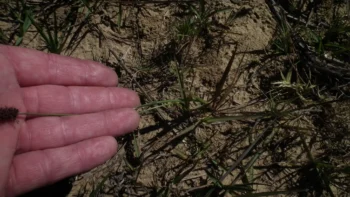
African Bristlegrass: A Wetland Grass with Mixed Reviews
Meet African bristlegrass (Setaria sphacelata), a perennial grass that’s been making itself at home in various parts of the United States despite being originally from Africa. This graminoid – that’s fancy talk for a grass-like plant – has found its way into wetlands and moist areas across several states, sparking both interest and debate among gardeners and land managers.
What Exactly Is African Bristlegrass?
African bristlegrass is a robust perennial grass that forms dense tufts and can grow quite tall. True to its common name, this grass produces distinctive bristly seed heads that give it character and visual interest. The plant creates attractive golden-brown plumes that sway gracefully in the breeze, making it somewhat appealing from an aesthetic standpoint.
Where You’ll Find This Globe-Trotter
Originally calling Africa home, this grass has established populations in Alabama, California, Florida, Mississippi, and even extends its reach to Guam and Palau. It’s what botanists call a non-native species that reproduces on its own in the wild without any help from humans – basically, it’s decided it likes its new neighborhoods and plans to stay.
- Species observed
- No observations
The Wetland Connection
Here’s where things get interesting: African bristlegrass has different wetland preferences depending on where it’s growing. In some regions like the Arid West and Western Mountains, it’s considered an obligate wetland plant, meaning it almost always needs wet conditions to thrive. However, in areas like the Atlantic and Gulf Coastal Plain, it’s more flexible and can handle both wet and drier conditions.
Should You Plant African Bristlegrass?
This is where gardeners need to think carefully. While African bristlegrass isn’t currently flagged as invasive or noxious, its non-native status means it’s not providing the same ecological benefits as plants that evolved here. Here are some considerations:
Potential Benefits:
- Excellent for erosion control on wet sites
- Attractive seed heads add visual interest
- Hardy and easy to establish
- Tolerates various moisture levels depending on location
Potential Drawbacks:
- Limited wildlife and pollinator benefits compared to native grasses
- May compete with native wetland plants
- Could spread beyond intended areas
Growing Conditions and Care
If you’re in USDA zones 8-11 and decide to work with African bristlegrass, here’s what it needs:
- Moisture: Prefers consistently moist to wet soils
- Light: Full sun to partial shade
- Soil: Adaptable to various soil types, as long as moisture needs are met
- Establishment: Relatively easy to grow from seed
- Maintenance: Low maintenance once established, but may need management to prevent unwanted spread
Better Native Alternatives
Before choosing African bristlegrass, consider these native options that provide superior wildlife habitat and ecological benefits:
- Switchgrass (Panicum virgatum) – excellent for birds and erosion control
- Big bluestem (Andropogon gerardii) – stunning fall color and wildlife habitat
- Eastern gamagrass (Tripsacum dactyloides) – robust native grass for wet areas
- Rice cutgrass (Leersia oryzoides) – perfect for wetland edges
The Bottom Line
African bristlegrass can serve specific purposes, particularly for erosion control in wet areas where you need something tough and reliable. However, given its non-native status and the availability of excellent native alternatives, most gardeners would be better served choosing plants that support local ecosystems while providing similar benefits. If you do decide to use African bristlegrass, monitor its spread carefully and consider it a temporary solution while establishing more ecologically beneficial native plants.
Remember, every planting decision is a vote for the kind of landscape we want to create – one that either supports or displaces our native wildlife and plant communities.