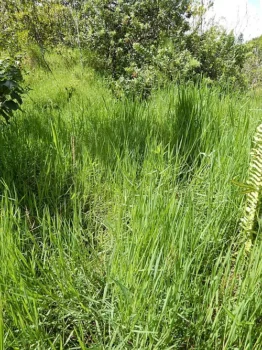
African Couchgrass: Why This Grass Should Stay Out of Your Garden
If you’ve come across African couchgrass (Digitaria abyssinica) in your research, you might be wondering whether this perennial grass could work in your landscape. The short answer? It’s best to steer clear of this one. Let me explain why this particular grass has earned a spot on the do not plant list and what you can choose instead.
What is African Couchgrass?
African couchgrass, also known as Abyssinian finger grass, is a perennial graminoid (that’s fancy talk for grass-like plant) that originally hails from tropical Africa. You might also see it listed under its former scientific names, Digitaria scalarum or Digitaria vestita, but regardless of what you call it, this grass has become a significant problem where it’s been introduced.
Where You’ll Find It (And Why That’s a Problem)
In the United States, African couchgrass has established itself in Hawaii, where it arrived as an introduced species and now reproduces on its own in the wild. What makes this particularly concerning is that it’s officially classified as a noxious weed, meaning it’s recognized as harmful to agriculture, ecosystems, or human health.
- Species observed
- No observations
Why Gardeners Should Avoid African Couchgrass
Here’s the thing about African couchgrass – it might seem like just another grass, but it comes with some serious baggage:
- Noxious weed status: This plant is legally classified as a noxious weed, which means it’s actively harmful to local ecosystems
- Aggressive spreader: Once established, it can quickly take over areas and crowd out native plants
- Limited ornamental value: Unlike ornamental grasses, African couchgrass doesn’t offer much in terms of visual appeal
- Ecological disruption: As a non-native species, it doesn’t support local wildlife and pollinators the way native plants do
Better Alternatives for Your Garden
Instead of risking the ecological problems that come with African couchgrass, consider these native alternatives that will give you the grass-like texture you might be seeking:
- For Hawaii gardens: Look into native Hawaiian grasses or grass-like plants that are adapted to your specific island’s conditions
- For erosion control: Native bunch grasses or sedges can provide the same soil-holding benefits without the invasive tendencies
- For naturalized areas: Work with your local native plant society to identify appropriate native graminoids for your region
The Bottom Line
While African couchgrass might seem like a hardy, low-maintenance option, its status as a noxious weed makes it a poor choice for responsible gardeners. The potential harm to local ecosystems far outweighs any perceived benefits. Instead, invest in native alternatives that will support your local environment while giving you the landscape results you’re after.
Remember, the best gardens work with nature, not against it. By choosing native plants over invasive species like African couchgrass, you’re creating a landscape that truly belongs in your corner of the world.