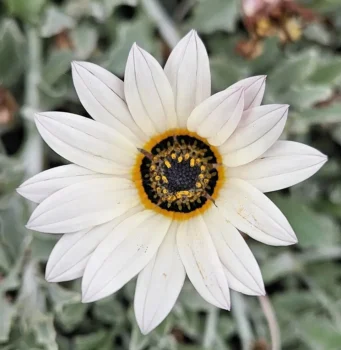
African Daisy (Arctotis stoechadifolia): A South African Beauty for Your Garden
Looking for a cheerful, drought-tolerant addition to your garden? The African daisy might just catch your eye with its classic daisy charm and surprisingly tough constitution. This South African native has found its way into American gardens, bringing a touch of Mediterranean flair to landscapes from coast to coast.
What Is African Daisy?
African daisy (Arctotis stoechadifolia) is a perennial flowering plant that originally hails from South Africa. You might also encounter it under its former scientific names, including Arctotis grandis. This low-growing shrub stays compact and manageable, typically reaching just 1.5 feet tall and rarely exceeding 3 feet at maturity.
As a non-native species, African daisy has established itself in parts of the United States, reproducing on its own in the wild. Currently, you can find naturalized populations in California, Massachusetts, and South Carolina.
- Species observed
- No observations
Why Gardeners Love African Daisy
There’s plenty to appreciate about this cheerful bloomer:
- Showy daisy-like flowers with crisp white petals and sunny yellow centers
- Attractive silvery-green foliage that provides year-round interest
- Excellent drought tolerance once established
- Low-maintenance growth habit
- Attracts beneficial pollinators like bees and butterflies
Garden Design and Landscape Uses
African daisy shines in several garden settings. Its low, spreading habit makes it an excellent ground cover for sunny slopes or areas where you want to suppress weeds naturally. The plant also works beautifully as a border specimen, creating neat edges along pathways or garden beds.
Rock gardens are another perfect home for African daisy, where its drought tolerance and compact size complement other Mediterranean-style plants. Coastal gardeners particularly appreciate this plant’s ability to handle salt spray and sandy soils.
Growing Conditions and Care
African daisy is refreshingly easy to please, making it a great choice for beginning gardeners or anyone seeking low-maintenance plants.
Ideal Growing Conditions:
- Sunlight: Full sun for best flowering
- Soil: Well-draining soil is essential; tolerates poor, sandy soils
- Water: Drought tolerant once established; avoid overwatering
- Climate: Best suited for USDA hardiness zones 9-11
Planting and Care Tips:
- Plant in spring after the last frost
- Space plants about 12-18 inches apart
- Water regularly during the first growing season to establish roots
- Once established, water only during extended dry periods
- Deadhead spent flowers to encourage continued blooming
- No fertilization needed in most soils
Pollinator and Wildlife Benefits
While African daisy does provide nectar for bees and butterflies, it’s worth noting that native plants typically offer more comprehensive benefits to local wildlife. The flowers bloom over an extended period, providing a reliable nectar source during their flowering season.
Consider Native Alternatives
If you’re drawn to the daisy-like flowers and drought tolerance of African daisy but prefer to support native ecosystems, consider these beautiful native alternatives:
- Blanket flower (Gaillardia species) for similar drought tolerance and pollinator appeal
- Desert marigold (Baileya multiradiata) for yellow daisy-like flowers
- Shasta daisy cultivars derived from native Leucanthemum species
- Native asters for late-season daisy-like blooms
The Bottom Line
African daisy offers reliable beauty and easy care for gardeners in warmer climates. While it’s not native to North America, it can be a lovely addition to drought-tolerant landscapes when planted responsibly. Just remember to deadhead spent flowers to prevent unwanted self-seeding, and consider pairing it with native plants to support local wildlife.
Whether you choose African daisy or opt for native alternatives, you’ll be rewarded with cheerful blooms that brighten your garden while requiring minimal fuss. Sometimes the best plants are the ones that simply do their job beautifully, year after year.