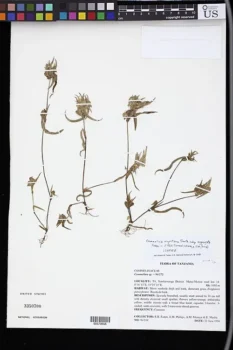
African Dayflower: A Non-Native Annual That’s Made Florida Its Home
Meet the African dayflower (Commelina nigritana), a small annual plant that has quietly established itself in Florida’s wetlands and moist areas. While it may sound exotic with its African origins, this little forb has become part of the naturalized flora in the Sunshine State, though it’s not necessarily one you’ll want to roll out the red carpet for in your garden.
What Exactly Is African Dayflower?
African dayflower is an annual forb, which is just a fancy way of saying it’s a soft-stemmed, herbaceous plant that completes its entire life cycle in one growing season. Unlike woody plants that develop thick, persistent stems, forbs like this one stay tender and green throughout their lives, dying back completely each year and starting fresh from seed the next season.
As its name suggests, this plant originally hails from Africa but has found its way to North American shores. It’s what botanists call a non-native or introduced species – meaning it didn’t evolve here naturally but has managed to establish self-sustaining populations without human help.
Where You’ll Find It Growing
Currently, African dayflower has been documented growing wild in Florida, where it seems to have found the warm, humid conditions much to its liking. The plant has a particular fondness for wet areas, earning it a Facultative Wetland status in the Atlantic and Gulf Coastal Plain region. This means you’ll usually spot it in marshes, swamps, and other wetland areas, though it can occasionally pop up in drier spots too.
- Species observed
- No observations
Should You Plant African Dayflower?
Here’s where things get interesting – and a bit complicated. While African dayflower isn’t currently flagged as aggressively invasive, its status as a non-native species that reproduces freely in the wild gives us pause. As responsible gardeners, it’s worth considering some important factors:
- It’s not native to North America, so it doesn’t provide the same ecological benefits as indigenous plants
- Its tendency to spread spontaneously means it could potentially outcompete native species
- Very little information exists about its specific garden performance or care requirements
- It’s not commonly available in nurseries, suggesting limited ornamental value
Native Alternatives to Consider Instead
Instead of taking a chance on African dayflower, why not explore some of Florida’s beautiful native options that will support local wildlife and ecosystems? Consider these alternatives:
- Virginia dayflower (Commelina virginica) – a native cousin with similar blue flowers
- Blue-eyed grass (Sisyrinchium species) – charming native plants with blue flowers
- Native sedges and rushes for wetland areas
- Swamp sunflower for larger wetland spaces
Growing Conditions and Care
If you do encounter African dayflower in the wild, you’ll likely find it in:
- Moist to wet soils
- Warm climate zones (likely USDA zones 9-11, based on its Florida distribution)
- Areas with consistent moisture
- Both sunny and partially shaded locations
As an annual, it will complete its life cycle within one growing season, producing seeds that can germinate the following year under favorable conditions.
The Bottom Line
While African dayflower might seem like a harmless addition to Florida’s flora, the best approach for home gardeners is to focus on native species that truly belong in our ecosystems. Native plants have co-evolved with local wildlife, providing essential food and habitat that non-native species simply can’t match. Plus, you’ll have the satisfaction of knowing your garden is contributing to the health of your local environment rather than potentially working against it.
When in doubt, choose native – your local birds, butterflies, and beneficial insects will thank you for it!