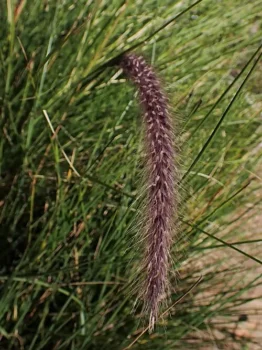
African Feathergrass: Why This Ornamental Grass Should Stay Out of Your Garden
African feathergrass (Pennisetum macrourum) might catch your eye with its impressive height and dramatic, feathery plumes, but this striking grass comes with some serious baggage that every gardener should know about. Also known by the rather charming names of bedding grass and waterside-reed, this perennial graminoid has a beauty that masks its problematic nature.
The Not-So-Great Truth About African Feathergrass
Here’s the deal: African feathergrass is officially classified as a noxious weed in the United States. That’s not just garden gossip—it’s a legal designation that means this plant is considered harmful to agriculture, ecosystems, or public health. Originally hailing from tropical and subtropical regions of Africa, this non-native species has made itself a little too comfortable in American landscapes.
Currently, you’ll find African feathergrass growing wild in California, Hawaii, and Texas, where it reproduces spontaneously without any human help and has a tendency to stick around. This ability to naturalize so easily is exactly what makes it problematic for our native ecosystems.
- Species observed
- No observations
What Makes This Grass So Appealing (And So Problematic)
It’s easy to see why someone might be tempted by African feathergrass. This perennial can shoot up to 6-10 feet tall, creating an impressive backdrop with its fountain-like growth habit. The feathery, plume-like seed heads sway gracefully in the breeze, adding movement and texture to any landscape. It’s also ridiculously easy to grow—thriving in full sun with minimal water once established, making it seem perfect for drought-tolerant gardens in USDA zones 9-11.
But here’s where things get tricky: those same qualities that make it a low-maintenance garden star also make it an aggressive colonizer of natural areas. Its ability to self-seed readily means it doesn’t stay put in your carefully planned landscape—it spreads into wild spaces where it can outcompete native plants.
Why You Should Skip This Grass
As much as we love a good ornamental grass, African feathergrass falls squarely into the thanks, but no thanks category for several reasons:
- It’s legally classified as a noxious weed
- It can escape cultivation and invade natural habitats
- It competes with and displaces native plant species
- It offers limited benefits to local wildlife and pollinators
- It can create fire hazards in dry climates due to its size and flammable nature
Better Alternatives for Your Garden
The good news? There are plenty of gorgeous native grasses that can give you that same dramatic, architectural look without the ecological baggage. Consider these fantastic alternatives:
- For California gardens: Try purple needlegrass (Stipa pulchra) or giant wild rye (Elymus condensatus)
- For Texas landscapes: Lindheimer’s muhly (Muhlenbergia lindheimeri) or big bluestem (Andropogon gerardii)
- For Hawaiian gardens: Native bunch grasses like Hawaiian stilt grass (Panicum nephelophilum)
The Bottom Line
While African feathergrass might seem like an easy solution for adding height and texture to your garden, its status as a noxious weed means it’s simply not worth the risk. By choosing native alternatives, you’ll get the same visual impact while supporting local ecosystems and staying on the right side of the law. Your garden—and your local environment—will thank you for making the responsible choice.
Remember, the best gardens are ones that enhance rather than harm the natural world around them. Let’s keep it that way!