African Milkweed: A Unique Addition to Your Drought-Tolerant Garden
If you’ve been searching for an eye-catching, low-maintenance plant that thrives in dry conditions, African milkweed (Asclepias fruticosa) might just catch your fancy. This quirky little shrub brings a touch of the exotic to American gardens with its distinctive inflated seed pods and delicate white flowers.
What Exactly Is African Milkweed?
African milkweed is a perennial shrub that stays pretty petite – typically growing under 1.5 feet tall and never exceeding 3 feet at maturity. Also known by its synonym Gomphocarpus fruticosus, this plant hails from South Africa but has found a home in California gardens where it reproduces spontaneously in the wild.
Don’t let the milkweed name fool you into thinking it’s a native – this species is actually a non-native introduction to North America, though it has naturalized successfully in certain areas.
Where Does African Milkweed Grow?
In the United States, African milkweed has established itself primarily in California, where the Mediterranean-like climate suits its preferences perfectly.
- Species observed
- No observations
What Makes This Plant Special?
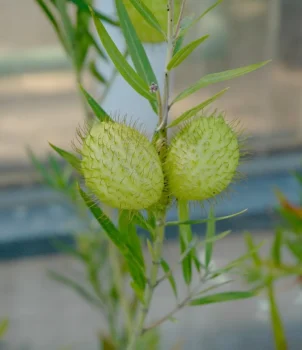
The real showstopper of African milkweed isn’t its modest white or cream-colored flowers, though they’re certainly attractive in their own understated way. It’s those remarkable inflated seed pods that steal the show! These balloon-like structures make fantastic additions to dried flower arrangements and give the plant its distinctive architectural appeal.
The flowers appear in small clusters called umbels and bloom for an extended period, providing a steady source of nectar for visiting pollinators.
Garden Design and Landscape Use
African milkweed fits beautifully into:
- Mediterranean-style gardens
- Drought-tolerant landscapes
- Cottage garden borders
- Cut flower gardens (especially for dried arrangements)
- Low-maintenance ornamental plantings
Its compact size makes it perfect for smaller spaces, and its unique texture adds interesting contrast when planted alongside other drought-tolerant perennials.
Growing Conditions and Care
One of African milkweed’s biggest selling points is how easy-going it is. Here’s what it needs to thrive:
- Sunlight: Full sun exposure
- Soil: Well-draining soil (it’s not picky about soil type)
- Water: Drought tolerant once established; minimal watering needed
- Climate: Hardy in USDA zones 9-11
Planting and Care Tips
Getting started with African milkweed is refreshingly simple:
- Easy to grow from seed – just direct sow in spring
- Self-seeds readily, so you might find new plants popping up
- Once established, it needs very little attention
- Deadhead spent flowers if you want to prevent excessive self-seeding
- Leave some seed pods on the plant for ornamental interest
Pollinator and Wildlife Benefits
Like other members of the milkweed family, African milkweed attracts butterflies, bees, and other beneficial insects. The flowers provide valuable nectar sources, making it a pollinator-friendly choice for your garden.
Should You Plant African Milkweed?
While African milkweed can be a charming addition to the right garden, it’s worth considering native alternatives that provide similar benefits while supporting local ecosystems. If you’re in California, consider native milkweeds like narrow-leaf milkweed (Asclepias fascicularis) or showy milkweed (Asclepias speciosa), which offer comparable drought tolerance and superior wildlife benefits.
If you do choose to grow African milkweed, be mindful of its self-seeding nature and consider removing excess seedlings to prevent it from spreading beyond your intended planting area.
The Bottom Line
African milkweed offers unique ornamental value with minimal fuss, making it an interesting option for gardeners in warm, dry climates. Just remember to garden responsibly and consider how native alternatives might better serve your local ecosystem while providing similar aesthetic and practical benefits.