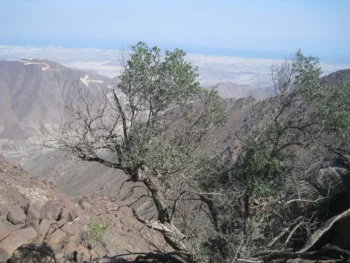
African Olive (Olea europaea cuspidata): What You Need to Know Before Planting
If you’ve stumbled across the African olive while browsing plant catalogs or visiting nurseries, you might be wondering whether this Mediterranean beauty deserves a spot in your garden. Let’s dive into what makes Olea europaea cuspidata tick – and whether it’s the right choice for your landscape.
Meet the African Olive
The African olive goes by several scientific names, which can make things a bit confusing for gardeners. You might see it listed as Olea africana, Olea chrysophylla, or Olea ferruginea, among others. Despite its common name suggesting African origins, this plant is actually a subspecies of the well-known European olive tree.
This perennial shrub typically grows as a multi-stemmed woody plant, usually staying under 13 to 16 feet tall. However, don’t be surprised if it decides to stretch a bit taller or even develop a single trunk under the right conditions – plants can be quite the rule-breakers!
Where You’ll Find African Olive
In the United States, African olive has established itself in California and Hawaii. It’s important to note that this isn’t a native plant – it’s what botanists call a naturalized species, meaning it was introduced but now reproduces on its own in the wild without any help from humans.
- Species observed
- No observations
The Garden Reality Check
Here’s where things get a bit tricky. While African olive might sound exotic and appealing, there’s limited specific information available about this particular subspecies when it comes to gardening applications. We don’t have clear data on its invasive potential, preferred growing conditions, or wildlife benefits.
This information gap is actually pretty important for responsible gardeners to consider. Without knowing how aggressive this plant might be or what kind of care it needs, you’re essentially taking a gardening gamble.
Growing Considerations
Since specific growing information for Olea europaea cuspidata is limited, here’s what we do know:
- It’s a perennial shrub, so expect it to stick around for years
- It has adapted to life in California and Hawaii climates
- As a non-native plant, it may not provide the same ecological benefits as indigenous species
- Its naturalized status suggests it can handle some level of neglect once established
The Native Alternative Route
Given the uncertainties surrounding African olive, you might want to consider native alternatives that offer similar aesthetic appeal but come with known benefits for local ecosystems. Depending on your location, native olive-like shrubs or Mediterranean-climate adapted natives could give you that silvery-green foliage look without the guesswork.
For California gardeners, consider exploring native options like coffeeberry (Frangula californica) or toyon (Heteromeles arbutifolia). Hawaiian gardeners might look into native ʻōhiʻa lehua (Metrosideros polymorpha) or other indigenous shrubs.
The Bottom Line
While African olive isn’t necessarily a bad plant, the lack of specific information about this subspecies makes it hard to recommend with confidence. As responsible gardeners, we’re better off choosing plants we understand well – especially when there are so many fantastic native alternatives available.
If you’re set on growing something in the olive family, consider sticking with well-documented varieties or, better yet, explore the wonderful world of native plants in your area. Your local wildlife (and your future gardening self) will thank you!